
-
(12)
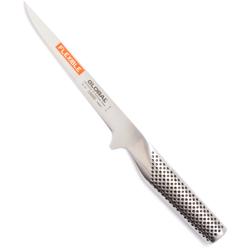
A flexible boning knife with a sleek design, perfect balance, and comfortable handle for precise meat separation.
-
(1)
A tan stainless steel knife designed for precise meat and fish preparation with minimal drag.
-
(143)
A 5.5" black boning knife with an angled bolster for enhanced precision, safety, and comfort.
-
(18)
A 5" boning knife with a unique forged double-bolster design, ergonomic handle, and high-carbon stainless-steel blade.
-
(2)
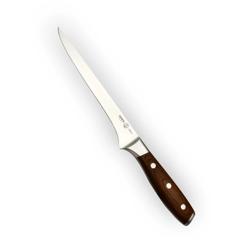
A flexible carbon steel boning knife in brown, designed for precise trimming and detailed butchery tasks.
-
(56)
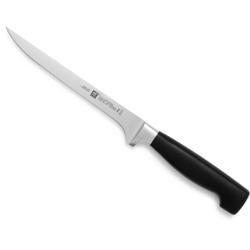
A 5" boning knife in black, perfect for budget-conscious home cooks who want to prepare their own cuts of meat or poultry.
Boning Knife
A boning knife is a specialized tool designed for precise and efficient deboning meat, poultry, and fish. With its sharp, narrow blade and flexible design, it effortlessly maneuvers around bones and joints, ensuring minimal waste and maximum yield. Whether you're a professional chef or a home cook, the boning knife is an essential kitchen companion for achieving clean and expertly prepared cuts of meat. Invest in a high-quality boning knife and enhance your culinary skills confidently and precisely.
Sort by:



Boning Knife
FAQ List
What is a boning knife used for?
A boning knife is used for removing bones from meat, poultry, and fish, making it an essential tool for anyone who wants to prepare their own cuts of meat or create boneless fillets for cooking.
What should I look for when shopping for a boning knife?
When shopping for a boning knife, it's important to choose a knife with a blade that is long enough to handle the job at hand, but not so long that it becomes unwieldy. Additionally, it's important to choose a knife with a handle that is comfortable to grip and provides good control.
What is the ideal blade length for a boning knife?
A blade length of between 5 and 7 inches is generally considered ideal for most home cooks when it comes to boning knives.
Are boning knives a good gift for cooks?
Yes, boning knives make excellent gifts for anyone who loves to cook, whether they are a seasoned pro or just starting out. They are a thoughtful and practical gift that will be appreciated by anyone who takes their cooking seriously.
What materials should I look for in a boning knife?
Look for knives made from durable materials like high-carbon stainless steel, and consider investing in a knife with a full tang for added strength and balance.

-
"I have used different high end knives and out of all of them Wusthof knives are the absolute best"
-
"Shun blonde handled boning/ fillet knife:I love this knife"
-
"A great knife"
-
"A great knife"
-
"I have used different high end knives and out of all of them Wusthof knives are the absolute best"
