-
(106)
Didn't love being in a group of four working on one meal....The fresh, homemade butter was the best! So fun!...Great experience! I'll be back!...Elise was a great teacher!...Great chef, too many cooks
-
(80)
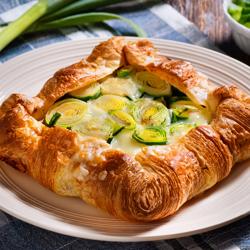
Cooking Class Description: Indulge in the art of homemade breads! In this class, we’ll show you essential bread-baking techniques, from working with yeast and mixing dough to the importance of proofing. You’ll get hands-on practice shaping veggie-packed...
-
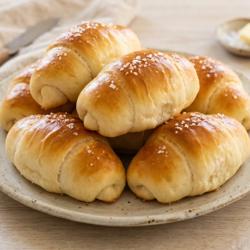
Cooking Class Description: Great bread tells a story, and in this 3-hour class you'll bake 3 delicious breads from around the world. You'll shape buttery Korean salt bread into its signature rolls, tear warm flatbread alongside a fragrant dukkah spice...
Bread Baking Classes For Labor Day Weekend
Bread baking classes for Labor Day weekend are the perfect way to savor the long holiday and learn something new in the kitchen. Whether you’re a beginner or looking to refine your skills, these classes offer hands-on instruction and expert guidance in a friendly, relaxed setting. Discover the simple pleasure of working with dough, shaping loaves, and enjoying fresh-baked bread with friends or family. Make this Labor Day weekend memorable by rolling up your sleeves and bringing home the delicious results of your own baking adventure.
Best Of FAQ
What can I expect to learn in a bread baking class over Labor Day weekend?
In a bread baking class during Labor Day weekend, you'll learn essential techniques such as mixing, kneading, proofing, and shaping dough. Classes often cover a variety of breads, from classic baguettes to rustic artisan loaves, and provide tips for achieving the perfect crust and crumb at home.
Are bread baking classes suitable for beginners?
Yes, most bread baking classes are designed to accommodate all skill levels, including beginners. Instructors guide you step-by-step through each process, ensuring you gain confidence and foundational skills in bread making.
Do I need to bring any supplies or ingredients to the class?
Typically, all necessary ingredients and equipment are provided for you in the class. You just need to arrive ready to learn and enjoy the hands-on experience.
How long do bread baking classes usually last?
Bread baking classes generally last between two to three hours. This allows ample time for instruction, hands-on practice, and enjoying your freshly baked creations.
Can I take home the bread I bake during the class?
Yes, participants are encouraged to take home the breads they bake during the class. It's a great way to share your delicious creations with family and friends after the session.


-
"Great experience!!! Vanessa gives you detailed directions and extra tips for making your dishes"
-
"I love going to your cooking classes. I have learnt a lot. Thank you"
-
"My sister and I attended this last night and had the best time"
-
"Didn't love being in a group of four working on one meal"
-
"Great Hands-On Knife Skills Class with Joey"