-
(128)
I love going to your cooking classes. I have learnt a lot. Thank you....I would love to take another pastry class with her again....Chef Julia was great and very knowledgeable.
-
Cooking Class Description: Calling all lemon curd nerds: Bake Carla Hall's Lemon Meringue Cake from scratch. As Carla said, "If you love lemon, you will love this cake." You'll use KitchenAid® to create lemon oil-infused cake layers, silky curd, a pillowy...
-
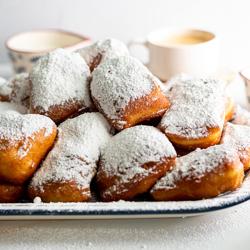
Cooking Class Description: Join us to explore the delicious world of donuts and pastries! Our expert chef instructor will guide you through making three unique creations—Classic French beignets, Mixed Berry Fritters and Japanese mochi donuts. From making...
French Pastry Baking Classes For Labor Day
French pastry baking classes for Labor Day offer a delicious way to celebrate the long weekend. Whether you’re looking to master flaky croissants or perfect your éclair technique, these hands-on experiences invite you to roll up your sleeves and create something truly special. With expert instructors guiding every step, you’ll gain new skills and confidence in the kitchen. Treat yourself or gather friends for a memorable holiday filled with classic French flavors and the joy of baking together.
Best Of FAQ
What can I expect to learn in a French pastry baking class over Labor Day?
In a French pastry baking class for Labor Day, you'll learn essential techniques for creating classic pastries such as croissants, éclairs, macarons, and tarts. Classes typically cover dough preparation, filling and glazing methods, and tips for achieving authentic flavors and textures.
Are French pastry baking classes suitable for beginners?
Yes, most French pastry baking classes are designed to accommodate all skill levels, including beginners. Instructors guide you step-by-step through each recipe and technique, ensuring everyone can follow along and enjoy the process.
Do I need to bring any special equipment or ingredients to the class?
All necessary equipment and ingredients are usually provided during the class. Just bring your enthusiasm and be ready to bake! If anything extra is required, you’ll be notified in advance.
How long do French pastry baking classes typically last?
French pastry baking classes generally last between two to three hours. This allows ample time for instruction, hands-on practice, and enjoying your freshly baked creations.
Can I take home the pastries I make during the class?
Absolutely! Participants are encouraged to take home their delicious French pastries to share with family and friends after the class.


-
"Excellent class with great baking advice! I look forward to my next class"
-
"Didn't love being in a group of four working on one meal"
-
"already planning his first batch this weekend of which I will be the lucky recipient, thank you for a great"
-
"Great class"
-
"already planning his first batch this weekend of which I will be the lucky recipient, thank you for a great"