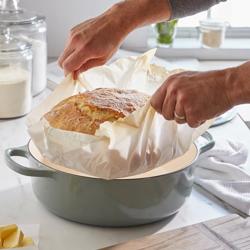
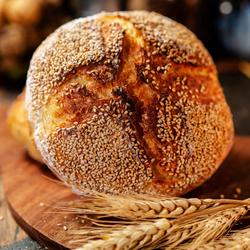
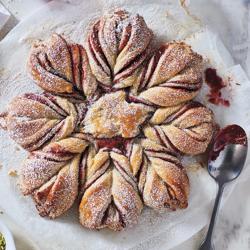
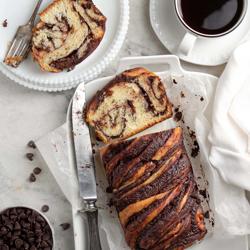
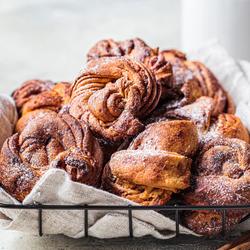
Bread baking classes for brunch lovers focus on the doughs, textures, and techniques that make a late-morning meal feel special. A tender slice of brioche, a square of olive oil–rich focaccia, or a piece of sourdough with a crisp crust can give a brunch spread its starting point, whether the rest of the table holds eggs, fresh fruit, or a few favorite spreads. Learning to bake those breads adds another dimension to enjoying them: the feel of dough becoming elastic, the change in volume during a rise, and the aroma that signals a loaf is nearly ready. Depending on the menu, a class may explore lean doughs, enriched breads, shaped rolls, or sweet breakfast bakes. Each offers a different connection to brunch. A sturdy, open-crumb loaf makes satisfying toast, while a softer bread suits breakfast sandwiches or French toast. Focaccia brings a savory option that can be served in generous squares alongside eggs or a salad. For someone new to yeast baking, a class can make unfamiliar terms such as proofing, shaping, and gluten development easier to understand by connecting them to visible changes in the dough. For a more practiced home baker, the appeal may be a chance to refine shaping, understand an uneven crumb, or try a style of bread outside a familiar routine. The most useful learning goes beyond following a recipe. It helps explain why a dough behaves a certain way and what a baker can reasonably expect at each stage. That understanding matters when a brunch plan includes homemade bread, because a recipe’s timing is only part of the picture. Dough develops at its own pace, and recognizing readiness can be more helpful than watching the clock alone.
The details of bread making become especially useful when the goal is a loaf that tastes good and works well on the table. In a hands-on lesson, mixing, kneading, folding, and shaping become easier to understand when there is dough to touch and an instructor who can explain what is happening. A sticky dough is not necessarily a failed dough, and adding more flour is not always the answer. Learning the difference between tacky, elastic, and underdeveloped dough can help prevent the dense texture that sometimes frustrates beginning bakers. A lesson centered on enriched bread may examine how eggs, milk, butter, or sugar affect structure, tenderness, and rising time. A sourdough-focused class may give more attention to starter care, fermentation, and the relationship between flavor and timing. Shaping also has a practical role beyond appearance: creating surface tension helps a loaf hold its form, while consistent portions help rolls bake evenly. Scoring, when appropriate to the bread, gives expanding dough a place to open in the oven. These are techniques with clear results, from a sandwich slice that holds together to a crust that offers a satisfying bite without overwhelming a delicate topping. Brunch adds another layer of planning, since bread often shares the kitchen with several other dishes. Classes that address fermentation schedules or make-ahead methods can help connect baking skills with the realities of serving a meal. Some doughs suit an overnight rest; others call for a more direct mixing, rising, and baking schedule. Bread also needs time to cool so its interior can set before slicing. Understanding those intervals makes it easier to picture how baking fits around guests arriving, coffee brewing, and eggs heading to the table. Because long-fermented breads can take more time than a single session allows, the class description is a useful place to understand which stages a lesson covers and where its emphasis lies.
Bread baking classes can appeal to solo learners, couples looking for a shared activity, friends who enjoy cooking together, and home hosts who want to build confidence with a brunch staple. A beginner might value a lesson focused on foundational dough handling, while an experienced baker might prefer a more involved bread or a technique that has been difficult to judge from a written recipe. Comfort with cooking does not always translate directly to comfort with bread: a person who can put together an excellent brunch may still appreciate guidance on recognizing a fully proofed loaf. Likewise, someone who already bakes a dependable everyday bread may enjoy exploring richer doughs, savory toppings, or different shapes. For more variety in that direction,
Bread Baking Classes With Creative Recipes offers another way to explore the connection between bread-making skills and new ideas for the table. When choosing a class, the most helpful details are the featured menu, the experience level, the teaching format, and the techniques covered, rather than the finished bread’s appearance alone. Ingredient information matters as well, particularly for anyone avoiding wheat, dairy, eggs, or other common baking ingredients; dietary accommodations should never be assumed. A class can also make a thoughtful experience gift for a brunch enthusiast, a newly confident baker, or someone who prefers learning a skill to receiving another kitchen possession. Birthdays, anniversaries, and time spent with a friend are all natural occasions for baking together. The lasting value is the ability to bring that experience into an ordinary meal afterward: slicing a homemade loaf for avocado toast, setting out soft rolls for breakfast sandwiches, or turning leftover enriched bread into French toast. A few well-understood techniques can make those familiar dishes feel more personal, with bread that has a clear purpose on the plate and a baker who understands how it came together.