-
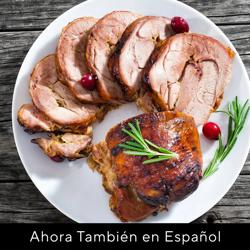
Cooking Class Description: Esta clase virtual se enseñará completamente en español. Un sabor clásico del Día de Acción de Gracias se renueva en esta clase práctica de temporada. Acompáñanos a aprender a preparar la Turchetta: una pechuga de pavo al estilo...
-
(137)
Great Fun, Great Food...This was a great class....Fun class, Michael was great and the food was really good.
-
(3)
Great experience!!...Chef Vanessa was awesome- entertaining, skillful and knowledgeable, and a great teacher.
-
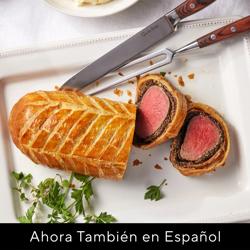
Cooking Class Description: Esta clase virtual se enseñará completamente en español. Cruza el Atlántico en esta clase mientras preparamos un tradicional lomo Wellington, ¡todo un espectáculo! Tu chef instructor te guiará por los pasos para armar esta...
-
For more information on Private Events, or to schedule your own, please contact your local Sur La Table store, or visit our Private Events page.
-
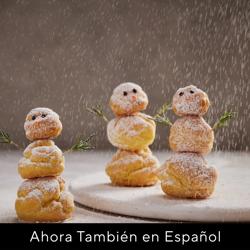
Cooking Class Description: Esta clase virtual se enseñará completamente en español. ¡Crea adorables muñecos de nieve comestibles en esta clase llena de diversión familiar! Nuestro chef instructor te guiará para preparar tres tamaños distintos de pâte...
-
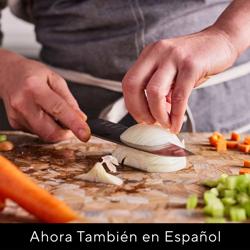
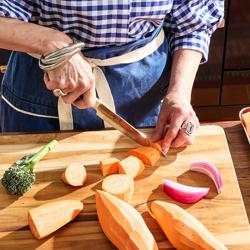
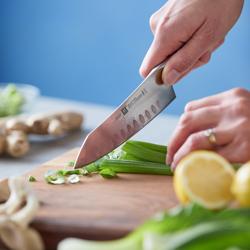
Cooking Class Description: Esta clase virtual se enseñará completamente en español. En el corazón de toda gran creación culinaria están las técnicas de corte bien dominadas. Acompáñanos en línea mientras nuestro chef instructor te guía desde tu propia...
-
For more information on Private Events, or to schedule your own, please contact your local Sur La Table store, or visit our Private Events page.
-
(260)
We love Sur La Table...Always a great time with chef Joy. We have donec4 classes with her and have enjoyed them all....I would love for him to teach another/next level knife skills class.
-
(93)
Great class; great pie...This was a great class, and loved having pie at my Thanksgiving dinner!...Great pastry chef (Anna)! Delicious pie!!
-
(80)
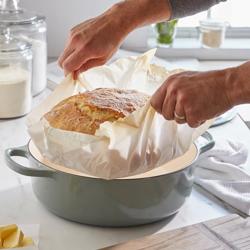
Cooking Class Description: Indulge in the art of homemade breads! In this class, we’ll show you essential bread-baking techniques, from working with yeast and mixing dough to the importance of proofing. You’ll get hands-on practice shaping veggie-packed...
-
(55)
The food was great and the instructor was friendly and clearly knowledgeable about food....Best Team Building Activity
-
(44)
Great Date Night...We had a great experience and learned a couple of new techniques that will help us in future meals.....Two improvements we would love is to have if we cook again would be seats available to sit down and eat...Great experience with...
-
(40)
The chef was great! The dish was great. I love how we were guided to keep things neat and tidy....Great seminar!...Chef Michael was great, he made it fun all while learning something. I?
-
(39)
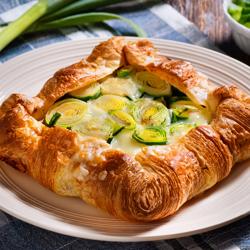
Cooking Class Description: Croissants get a tasty upgrade in this three-hour baking class! Learn all the traditional techniques of creating flaky croissants—mixing and laminating dough, shaping, proofing and baking—as well as two new flavors! You’ll...
-
(27)
Fantastic class - great experience with Chefs Erick, Paolo, and Dagny!...knew of to skin garlic cloves, each of which never efficiently worked, and learned in this class the best
-
(25)
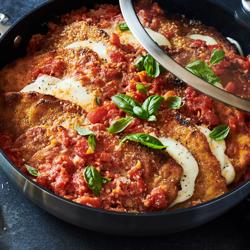
Cooking Class Description: Discover the remarkable versatility of cast iron cookware, from skillets and Dutch ovens to griddles and grill pans. Join us to learn essential cast iron care and pan selection tips. From a braised chicken dish to a delightfully...
-
(23)
Love eating in. Chef Chris has been the very best....The chef was great
-
(22)
Great Class!...Chef Rosanna at the WPB store did a great job and very knowledgeable....We had a great time! Chef Avenly was very personable and easy to follow.
-
(4)
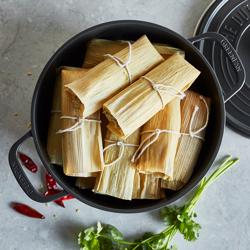
Cooking Class Description: Join us to learn our tried-and-true tamale recipe that's perfect for the holidays! Our chef instructor will teach you how to make fresh masa dough along with two tasty flavor options. By the end of class, you'll have prepared...
-
(1)
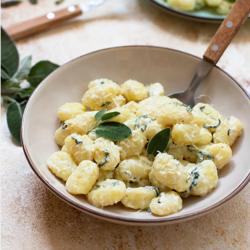
Our gnocchi turned out great! We love the online classes. Please continue to offer them.
Cooking Classes For Team Building Spanish
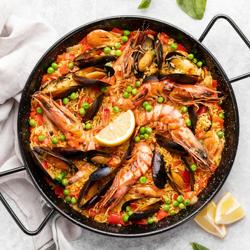
Cooking classes for team building Spanish offer a flavorful way to bring colleagues together while exploring the vibrant world of Spanish cuisine. Whether your team is new or well-established, sharing hands-on experiences in the kitchen can spark creativity and strengthen connections. Discover how cooking classic Spanish dishes side by side can inspire collaboration, encourage communication, and add a dash of fun to your next team event.




Cooking Classes for Team Building Spanish
-
"Love eating in. Chef Chris has been the very best"
-
"Fun class, Michael was great and the food was really good"
-
"Fun class, Michael was great and the food was really good"
-
"The bestThank you"
-
"Chef Vanessa was awesome- entertaining, skillful and knowledgeable, and a great teacher"