-
(9)
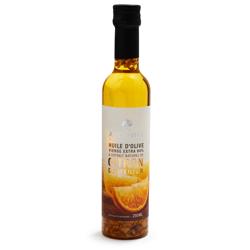
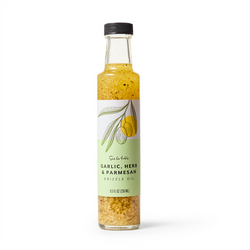
A zesty and flavorful garlic, herb, and parmesan infused olive oil perfect for sauteing and drizzling.
Pros: flavor, versatility, taste
-
(210)
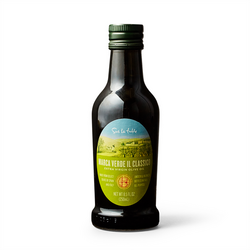
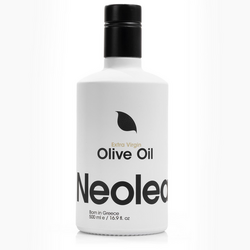
A versatile, cold-pressed olive oil with fruity and herbaceous flavors, perfect for drizzling or cooking.
Pros: versatility, quality, flavor
-
(41)
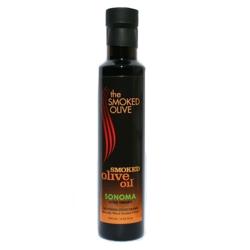
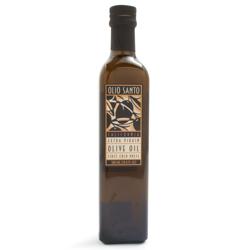
A buttery, nutty extra virgin olive oil that is versatile for cooking, finishing, or enjoying on its own.
Pros: versatility, quality, taste
-
(18)
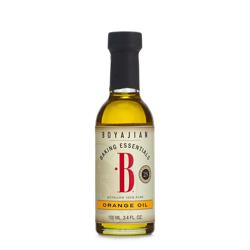
A 3.4 oz. bottle of all-natural orange oil, perfect for adding bright citrus flavor to any dish.
Pros: flavor, effectiveness, exceptional results
-
(9)
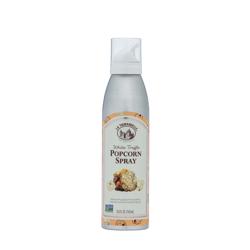
A chemical-free, propellant-free, and non-GMO white truffle popcorn spray to elevate movie night treats.
Pros: taste, flavor, reduces dietary cholesterol
-
(7)
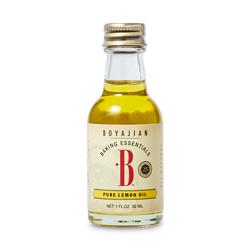
A pure lemon oil that adds a burst of citrus flavor to your favorite recipes.
Pros: great flavor, long-lasting, good substitute for lemon zest
-
(2)
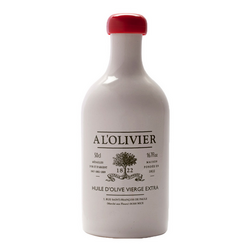
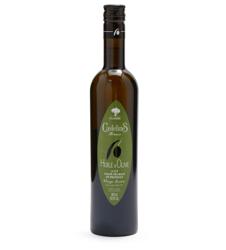
A genuine Provencal olive oil with notes of artichoke and almond, perfect for cooking and finishing.
Pros: light, nutty, taste
-
(19)
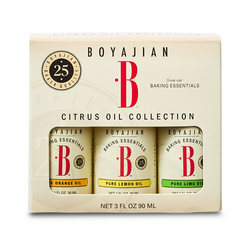
A set of 3 citrus oils (lemon, orange, and lime) with accompanying recipes, made in the USA.
Pros: flavor, versatility, effectiveness
-
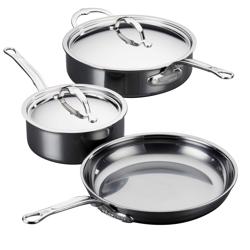
(54)
A 5-piece cookware set with Hestan's Molecular Titanium technology for a resilient, toxin-free cooking surface.
Pros: easy to clean, durable, high quality
-
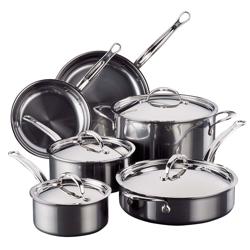
(225)
A 10-piece cookware set with innovative Molecular Titanium technology for exceptional performance and durability.
Pros: durable, easy cleanup, easy to clean
-
(79)
A versatile, professional-grade chef's pan with a ceramic titanium nonstick surface for healthy cooking.
Pros: versatility, easy cleanup, easy to clean
-
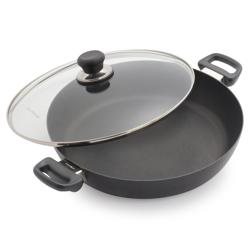
(51)
A versatile, high-performance pan with wide cooking area, high sides, and a locking lid for precise control.
Pros: versatility, durable, easy to clean
-
(47)
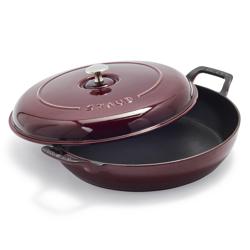
A 3.5-qt. cast iron braiser in grenadine, perfect for braising, sautéing, roasting, baking, and serving.
Pros: versatility, attractive appearance, easy to use
-
(33)
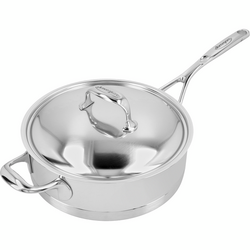
A 3 qt. stainless steel sauté pan with InductoSeal base for optimal heat distribution and Silvinox finish.
Pros: easy to clean, heat retention, no rivets
-
(5)
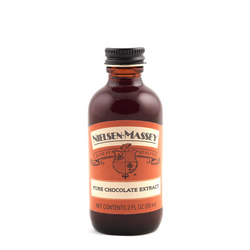
A rich and smooth chocolate extract that adds a whisper of chocolate flavor to desserts and more.
Pros: deeper chocolate flavor, adds extra boost of chocolate, flavor
-
(24)
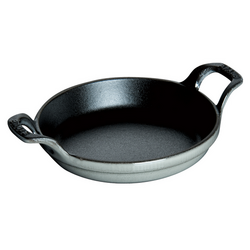
A gray cast iron roasting dish, perfect for elegant individual servings or reheating leftovers.
Pros: versatility, easy to clean, heat retention
-
(124)
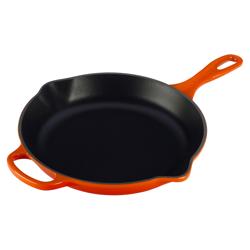
A durable, orange cast-iron skillet with sloped sides for dripless pouring and a matte-enamel interior.
Pros: complements iron skillet, great quality, wonderful skillet
-
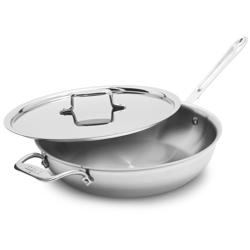
(515)
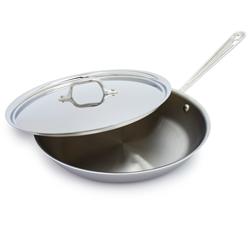
A 12" stainless-steel skillet with lid that effortlessly handles stir-fry, steak, and stovetop braising.
Pros: easy to clean, even heating, lightweight
Culinary Oils
Culinary oils are essential ingredients in any kitchen, used for frying, baking, sautéing, and grilling. These oils are derived from various plant and animal sources, offering unique flavor profiles and health benefits. From olive to coconut oil, culinary oils provide a delicious way to enhance your dishes while promoting good health. So, whether you are a professional chef or a home cook, having a variety of culinary oils on hand can elevate your cooking game and inspire culinary creativity.
Culinary Oils
FAQ List
The smoke point of culinary oils refers to the temperature at which the oil begins to break down and smoke. Oils with a high smoke point are best for high-heat cooking methods like frying, while oils with a lower smoke point are better suited for low-heat cooking or as finishing oils.
Some common culinary oils include olive oil, coconut oil, canola oil, avocado oil, and sesame oil.
Culinary oils can provide a range of health benefits, depending on the type of oil. For example, olive oil is rich in heart-healthy monounsaturated fats, while coconut oil is high in medium-chain triglycerides, which are believed to boost metabolism and promote weight loss.
Yes, culinary oils can be used in baking recipes, although some oils may impart a stronger flavor than others. For example, coconut oil can add a subtle coconut flavor to baked goods, while olive oil may be better suited for savory baked dishes.
Yes, many culinary oils can be used as a finishing oil to add flavor and depth to dishes. For example, drizzling a high-quality olive oil over a finished dish can enhance the flavor and aroma.
-
"Great Olive OIl"
-
"The extra olive oil was great. The best in any cocking receipt. I?m enjoying. Thank you"
-
"This lemon olive oil is one of the best I've ever used"
-
"Love this Olive Oil, I have used it for years"
-
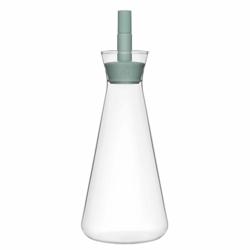
"This dispenser has been a great way to limit the amount of olive oil used to saute and roast vegetables"