-
(24)
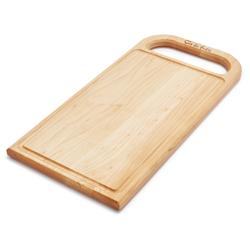
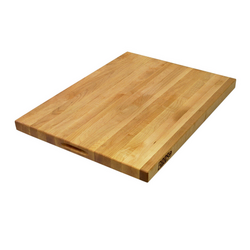
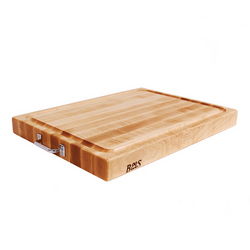
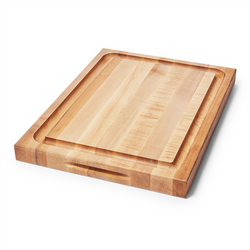
A reversible edge-grain maple cutting board with a deep groove to catch liquids and a finger-grip hole for easy transportation.
Pros: durability, quality, great quality
-
(16)
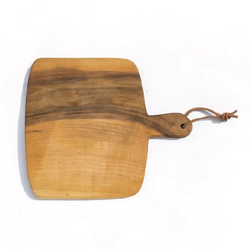
A reversible teak cutting board in a tan color, made from sustainable teak wood.
Pros: size, beautiful, appearance
-
(27)
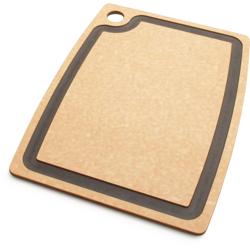
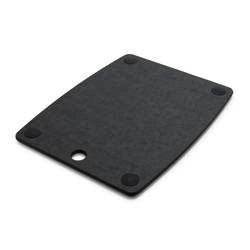
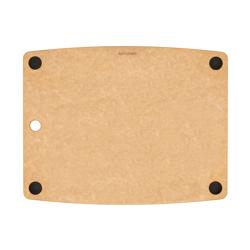
A non-slip cutting board in slate color that is gentle on knives and dishwasher safe.
Pros: dishwasher safe, dishwasher-safe, good performance
-
(2)
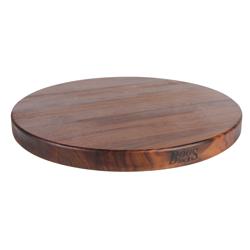
A reversible walnut cutting board with a protective cream finish, perfect for meat and produce.
Pros: beautiful, functional, worth the money
-
(49)
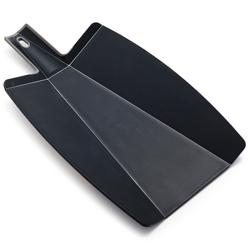
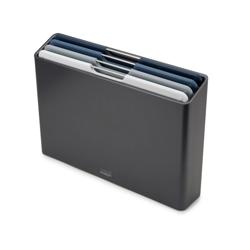
A durable, knife-friendly cutting board with a foldable chute and nonslip feet for secure use.
Pros: versatility, functional, color
-
(21)
A reversible maple cutting board with grip handles, naturally anti-bacterial and protected with Boos cream finish.
Pros: durable, quality, thickness
-
(12)
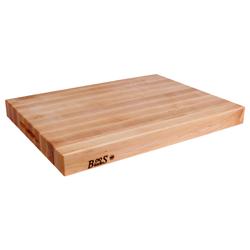
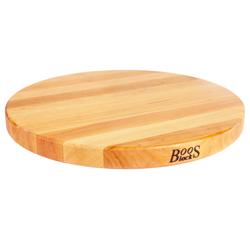
A sturdy, brown cutting board made from hard rock maple, perfect for professional and home use.
Pros: durability, quality, appearance
-
(6)
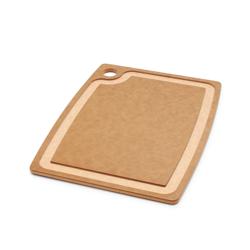
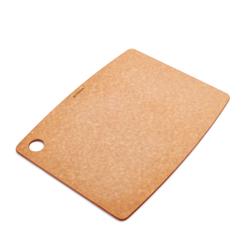
A durable, knife-friendly cutting board made from non-porous wood-fiber composite, perfect for busy kitchens.
Pros: easy to clean, effective, dries quickly
-
(6)
A sturdy and reversible maple chopping block with easy grip handles and a protective cream finish.
Pros: looks nice, size, easy to move
-
(5)
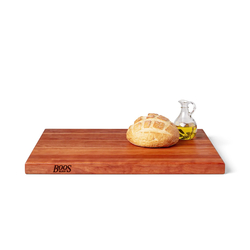
A reversible cherry cutting board with grip handles and a protective Boos cream finish.
Pros: beautiful wood, nice quality, good care instructions
-
(3)
A reversible, edge-grain maple cutting board with handles that is durable, antibacterial, and easy to clean.
Pros: lovely design, large size, unexpectedly useful
-
(1)
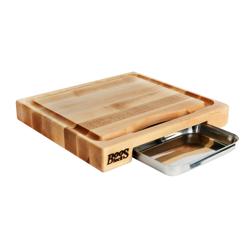
A reversible maple cutting board with a removable stainless steel insert for easy cleanup.
Pros: gift-worthy, treasured
-
(1)
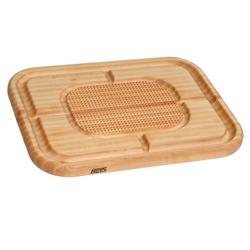
A reversible maple carving board with a pyramid-grooved surface and drip-collecting groove.
Pros: well made
-
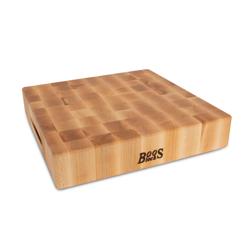
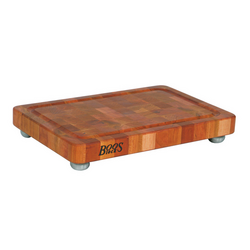
A 1.75"-thick end-grain cutting board with stainless steel feet, deep groove, and protective Boos cream finish.
-
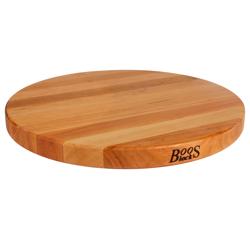
A reversible cherry cutting board with a protective cream finish, perfect for meat, poultry, fruits, and veggies.
-
(36)
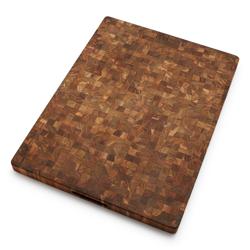
A reversible teak cutting board made from sustainable wood, perfect for prepping and serving.
Pros: large size, appearance, sturdy
-
(30)
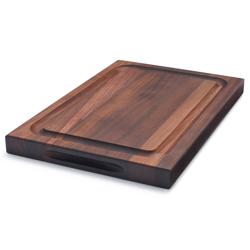
A reversible walnut cutting board with a deep groove to capture juices and cut-in handles for easy flipping.
Pros: appearance, beautiful, quality
-
(20)
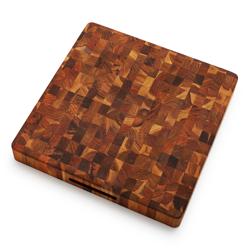
A sustainable, end grain teak cutting board with hand grips for easy transport and knife-friendly construction.
Pros: beautiful, functional, perfect size
-
(3)
A stunning walnut cutting board that is perfect for cutting, serving, and as a cheeseboard or tapas board.
Pros: effective for slicing bread, small size, real wood
-
(3)
A reversible edge-grain maple cutting board with a protective cream finish for easy maintenance.
Pros: beautiful product, protects knives, versatility
-
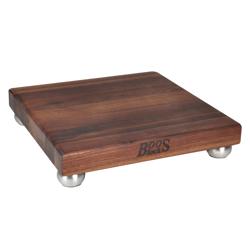
A stunning walnut cutting board with stainless steel feet for stability and a protective cream finish.
Cutting Boards For Meat And Vegetables
Whether you're a seasoned chef or a home cook, having the right cutting board is essential for prepping your favorite dishes. Our collection of cutting boards for meat and vegetables offers a variety of options to suit your needs in the kitchen. From durable bamboo boards to sturdy plastic ones, we have the perfect cutting board to help you slice, dice, and chop with precision. With their versatile designs and reliable construction, these cutting boards will make meal preparation a breeze. Explore our selection and find the perfect cutting board to elevate your culinary creations.
Cutting Boards For Meat And Vegetables
FAQ List
To clean a meat cutting board, start by rinsing it with hot water to remove any food particles. Then, use a mild dish soap and a sponge or brush to scrub the surface thoroughly. Rinse again with hot water and pat dry with a clean towel. It's important to avoid using harsh chemicals or abrasive cleaners, as they can damage the board.
It is generally recommended to use a dedicated meat cutting board to prevent cross-contamination. However, if the cutting board is thoroughly cleaned and sanitized after each use, it can be used for other foods. It's important to note that strong odors from certain foods like onions or garlic may linger on the board, so consider using separate boards for different types of ingredients.
The lifespan of a cutting board depends on various factors such as usage frequency and maintenance. As a general guideline, it's recommended to replace your cutting board every 1-3 years, or when you notice deep grooves, cracks, or signs of wear and tear. Regularly inspect your cutting board for any signs of damage and replace it if necessary to ensure food safety.
Whether a cutting board is dishwasher-safe or not depends on the material it is made of. Some cutting boards, especially those made of wood, bamboo, or certain types of plastic, may warp, crack, or lose their finish when exposed to high heat and harsh detergents in the dishwasher. It's best to check the manufacturer's instructions or hand wash the cutting board to maintain its quality and longevity.
To prevent your cutting board from slipping, place a damp kitchen towel or a non-slip mat underneath it. This will provide stability and keep the board in place while you're working. Additionally, choosing a cutting board with non-slip grips or rubber feet can also help prevent any unwanted movement during food preparation.
-
"I finally upgraded to a John Boos and I love it. It's so much better than the cheaper ones"
-
"I have several sizes of these, and love and use all of them, all the time"
-
"A great "everyday" kitchen staple"
-
"Epicurean cutting boards are the best! Easy to clean and maintain"
-
"I love the reversible feature for carving meats on one side with the channel and the everyday use on"