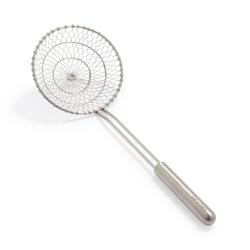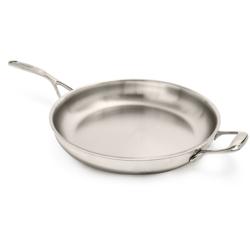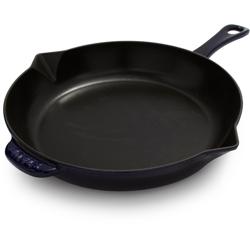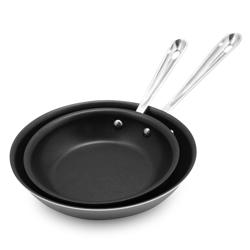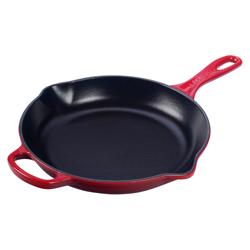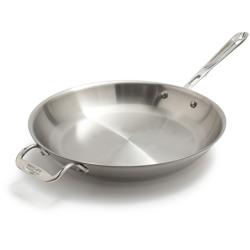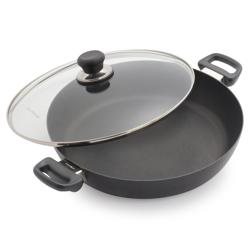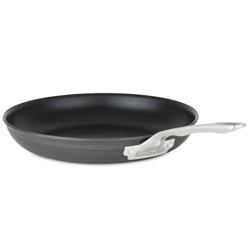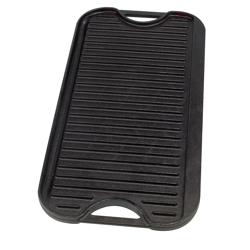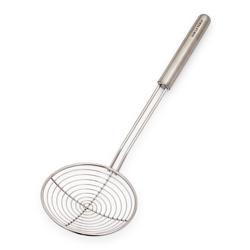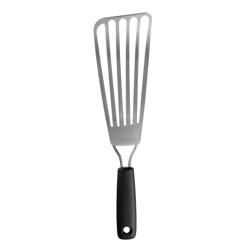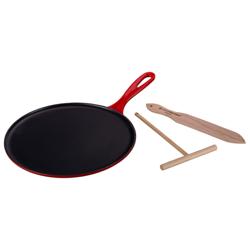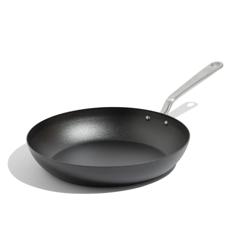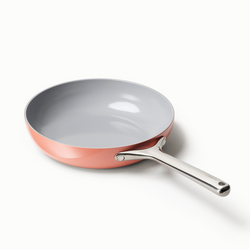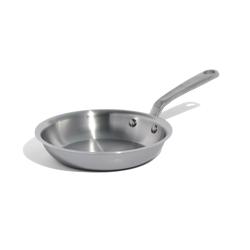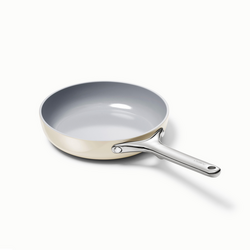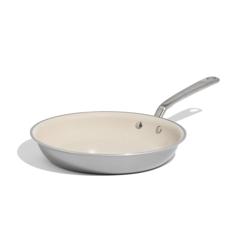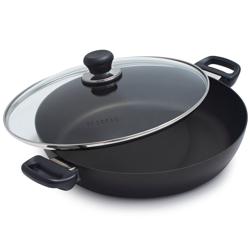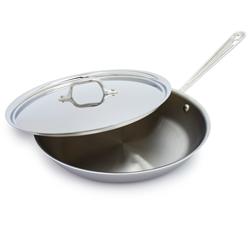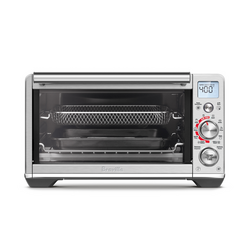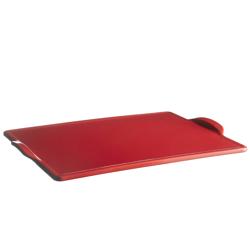
Frying accessories are tools that help you lower, turn, lift and drain food, monitor cooking oil and manage splatter during frying. The category also includes accessories designed for air fryers, where fit and airflow matter more than oil capacity. For home cooks, the most useful choices support the way you already cook, whether that means shallow-frying breaded chicken, lifting a batch of doughnuts from hot oil or crisping vegetables in an air fryer. A delicate fish fillet needs support underneath its surface, while a cluster of fritters benefits from a tool that lifts several pieces and lets oil drain back into the pan. Open wire designs allow oil to pass through quickly; finer mesh can collect smaller crumbs that might otherwise darken between batches. Broad turning surfaces help keep fragile coatings intact, and tongs offer control when repositioning sturdier foods. Handle length, grip and balance deserve just as much attention as the working end. A longer handle can help keep your hand farther from splatter, but it should still feel manageable when lifting food. Look for secure connections and a shape that stays comfortable when your hands are busy with several batches. Pairing these tools with a
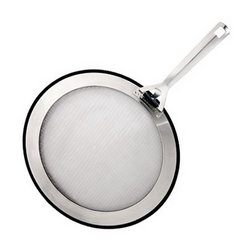
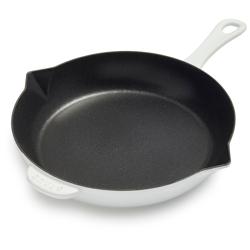
deep frying pan starts with checking the pan’s depth, opening and rim: accessories should move freely without catching on the sides or crowding the cooking surface. Splatter screens work best when sized to cover the opening securely while allowing steam to escape, though they do not eliminate the need for careful handling. For cooks who enjoy the contrast of a crisp crust and tender center, frying accessories make it easier to give each part of the process the attention it needs. Their value is practical rather than complicated: better reach, more controlled movement and a convenient place for freshly fried food to drain before it reaches the table.
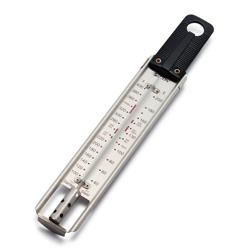
Materials help determine how frying accessories feel in use, which cooking surfaces they suit and how well they hold up over time. Stainless steel is a common choice for oil-contact tools because it tolerates high cooking temperatures and offers sturdy support for heavier portions. Smooth edges and well-finished joints are worth looking for, particularly on tools that will touch breading or need frequent cleaning. Metal utensils can scratch nonstick cookware, so compatibility with the pan’s surface should guide your choice. Silicone contact surfaces may offer a gentler option, provided their stated heat rating and intended use match the cooking task. “Heat resistant” does not mean suitable for every frying temperature or for being left in hot oil. The same attention belongs on handles, which may have different heat limits from the tool’s working end. Temperature-monitoring accessories are especially useful for deep frying, since oil that is too cool can leave food greasy while excessive heat can darken the outside before the center cooks. Check that the temperature range covers frying and that any clip fits the cookware securely, with the sensing area positioned as directed and clear of the pan’s bottom. Air fryer accessories require a different kind of fit check. Basket dimensions, usable interior height and the appliance manufacturer’s instructions matter more than a general size description. An insert that occupies too much space can interfere with air circulation, and a raised rack needs enough clearance to keep food away from the heating element. Reusable silicone liners and suitable disposable liners may help contain residue, but they should be approved for the appliance and used without blocking necessary airflow. Loose paper should never sit unsecured near a heating element; follow the appliance instructions for placement and preheating. Accessories intended for an air fryer are not automatically suitable for immersion in oil, just as a deep-frying tool may not fit safely inside a countertop appliance. Choosing by cooking method, dimensions and heat rating helps avoid those mismatches.
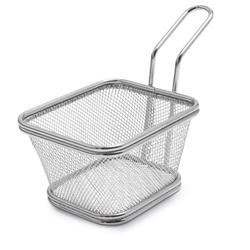
The details after cooking often determine which frying accessories become everyday favorites. Fried foods release steam as they rest, so a raised draining surface over a rimmed tray can help keep the underside of a cutlet or croquette from sitting in oil. That setup is particularly handy when dinner comes together in batches and counter space needs to stay organized. A stable landing area near the stove also shortens the trip from pan to tray, reducing the need to carry dripping food across the kitchen. For oil straining and storage, choose accessories intended for that purpose and follow their temperature limits; hot oil should not be poured into a container simply because it looks sturdy. Let oil cool to a safe handling temperature before filtering or transferring it, and keep water away from hot frying oil. Care requirements vary by material and construction, so check whether each accessory is dishwasher safe or needs to be hand-washed. Mesh, hinges and the seams around handles can hold onto crumbs and oily residue, making easy access for cleaning a useful feature rather than a minor detail. Thorough drying is important before storage and especially before a tool goes back into hot oil. Durable accessories should feel secure without loose joints, damaged coatings or bent working surfaces that make lifting food less predictable. Storage matters, too: a broad screen or long-handled tool is easier to use regularly when it has a designated spot instead of being wedged into an overfilled drawer. For someone furnishing a first kitchen, a few versatile frying accessories can support everything from weekend breakfasts to homemade appetizers. An experienced cook may appreciate tools chosen around a favorite task, such as turning delicate seafood or draining small batches of tempura. They can also make thoughtful gifts for someone who enjoys cooking from scratch, particularly when matched to that person’s cookware, appliance and available storage space. The best fit is not necessarily the largest collection. It is a practical selection that feels comfortable in the hand, cleans up without unnecessary fuss and helps bring well-cooked food from the stove to the plate.