-
(79)
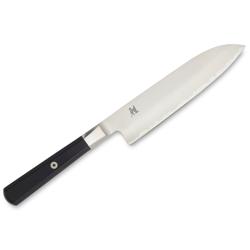
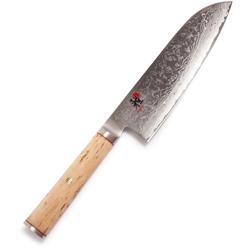
A 7" Miyabi Birchwood Santoku Knife with a Damascus pattern, D-shaped birch handle, and superior craftsmanship.
Pros: sharpness, craftsmanship, comfortable handle
-
(530)
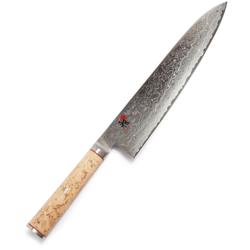
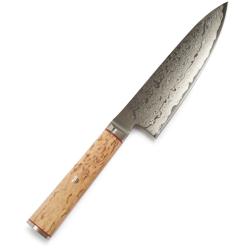
A 9" chef's knife with a Damascus pattern, a comfortable Masur birch handle, and a lifetime warranty.
Pros: sharpness, lightweight, craftsmanship
-
(331)
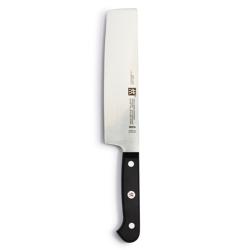
A lightweight, precision-stamped knife with a unique flat cutting edge for versatile vegetable preparation.
Pros: sharpness, quality, balance
-
(203)
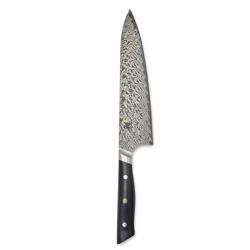
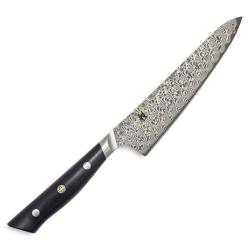
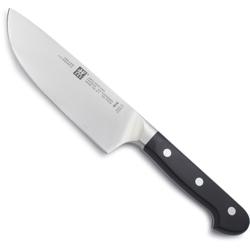
A stunning 8" chef's knife with a 49-layer Damascus pattern, triple-riveted handle, and ergonomic bolster.
Pros: sharpness, beautiful design, comfortable handle
-
(81)
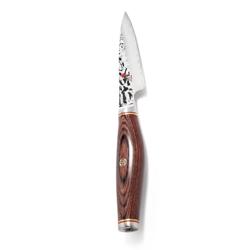
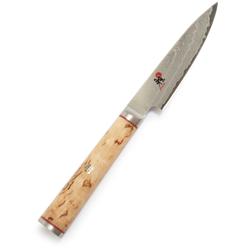
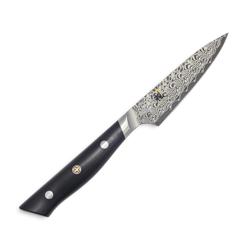
A meticulously crafted paring knife with a 101-layer Damascus pattern, a D-shaped birch handle, and a razor-sharp blade.
Pros: sharpness, sharp blade, comfortable handle
-
(67)
A 7" Japanese-style knife with a flat cutting edge, hollow-ground blade, and ergonomic handle.
Pros: sharpness, versatility, durability
-
(66)
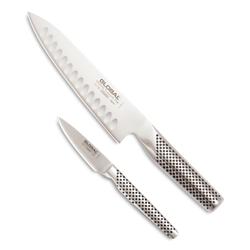
A sharp, lightweight knife set with ergonomic handles and seamless stainless steel construction.
Pros: quality, well balanced, sharpness
-
(62)
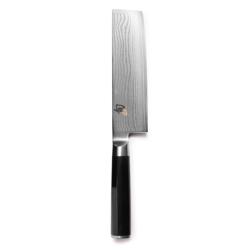
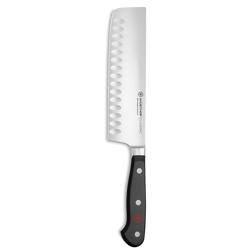
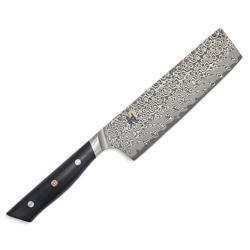
A 7" hollow-edge nakiri knife with a lightweight design, perfect balance, and ergonomic handle for comfortable slicing.
Pros: sharpness, balance, edge retention
-
(57)
A razor-sharp paring knife with a beautiful Damascus-clad blade and D-shaped ebony pakkawood handle.
Pros: sharpness, ease of handling, sharp blade
-
(56)
A 7" Nakiri knife with a 101-layer blade, cryogenically hardened for durability, and hand-finished in Japan.
Pros: sharpness, balance, ease of use
-
(53)
A stunning black santoku knife with a 49-layer Damascus pattern blade and ergonomic handle.
Pros: sharpness, versatility, appearance
-
(41)
A traditional Japanese-style kiritsuke knife with a 9.5" blade, featuring 101 layers of steel and a comfortable birch handle.
Pros: sharpness, appearance, balance
-
(40)
A 9" slicing knife with a Damascus pattern, Rockwell hardness of 63, and Masur birch handle.
Pros: sharpness, durable, comfortable handle
-
(36)
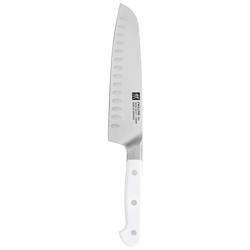
A high-quality, white santoku knife with a hollow edge and curved bolster for precise, fatigue-free cutting.
Pros: sharpness, balance, versatility
-
(34)
A 6.5" Nakiri knife with a 49-layer Damascus pattern and ergonomic triple-riveted handle for precision cutting.
Pros: sharpness, appearance, comfortable handle
-
(23)
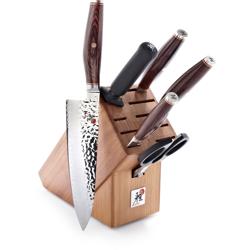
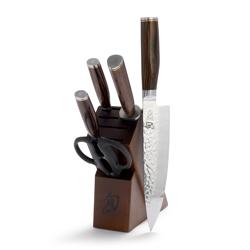
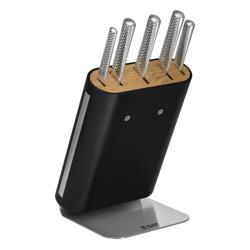
A handcrafted 6-piece knife block set with slimline profile, perfect for any kitchen.
Pros: quality, sharpness, lifetime warranty
-
(20)
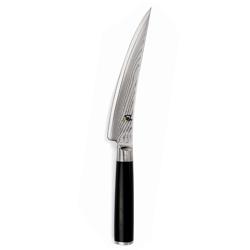
A razor-sharp, Damascus-clad fillet knife with a D-shaped ebony handle, perfect for separating meat from bone.
Pros: sharpness, quality, balance
-
(18)
A nimble black prep knife with a 49-layer Damascus pattern and curved ergonomic handle.
Pros: sharpness, balance, perfect size
-
(16)
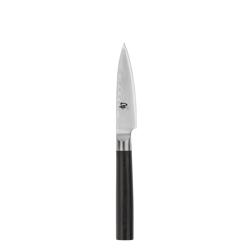
A stunning black paring knife with a 49-layer Damascus pattern and ergonomic handle for precise cuts.
Pros: sharpness, balance, durability
-
(5)
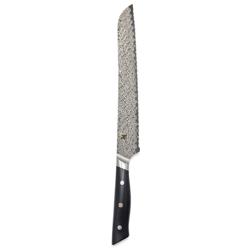
A stunning black bread knife with a 49-layer Damascus pattern blade for precise slicing.
Pros: sharpness, makes cooking pleasurable, highly recommended
-
(1)
A 6-piece knife block set with handcrafted quality, sleek design, and impeccable performance for professional chefs.
Pros: durability, quality
-
(13)
A 2-piece ceramic knife set in black, featuring exceptionally strong and lightweight blades with a razor-sharp edge.
Pros: sharpness, efficiency, light weight
Japanese Knives
Unlock the precision and elegance of Japanese knives, renowned for their exceptional craftsmanship and cutting-edge performance. These knives are crafted with traditional Japanese techniques and high-quality materials and offer unparalleled sharpness and durability. Experience effortless precision and control as you slice through ingredients with ease. Elevate your culinary skills with the artistry and precision of Japanese knives, the epitome of culinary excellence.

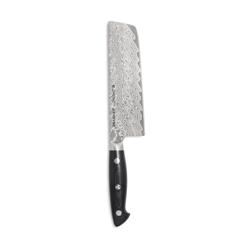
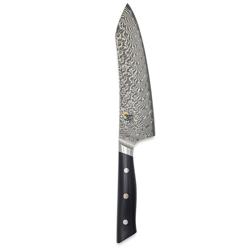
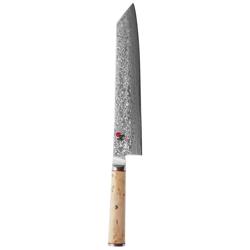
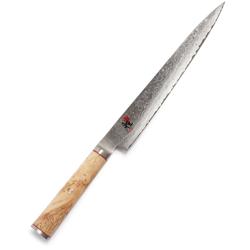
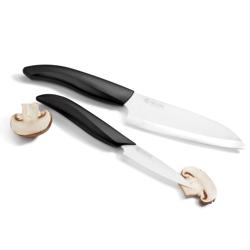
Japanese Knives
FAQ List
Japanese knives are typically lighter and sharper than Western knives. They are also often made from harder steel, which allows them to hold a sharper edge for longer.
A Santoku knife is a great choice for beginners. It is a versatile knife that can be used for a variety of tasks, including slicing, chopping, and dicing.
Japanese knives should be hand washed and dried immediately after use. They should also be stored in a knife block or sheath to protect the blade. It's important to keep the blade sharp by using a honing rod or sharpening stone regularly.
Japanese knives can be more expensive than Western knives, but this is often due to the high-quality materials and craftsmanship that goes into making them. However, there are also affordable options available for those on a budget.
No, Japanese knives are not designed to cut through bone. Doing so can damage the blade and potentially cause injury. It's important to use a specialized bone saw or cleaver for this task.

-
"Love the way it feels in my hand. Balanced weight. Slices great"
-
"Great balance and very sharp! Love it! Works great for fruits and veggies with great precision"
-
"We love the variety, and the bread knife is just the cherry on top"
-
"It was a gift from my fiancé because I love cooking but lacked the most important tool in the kitchen"
-
"Perfectly balanced, superior build quality, great hand feel, lifetime sharpening"