-
(573)
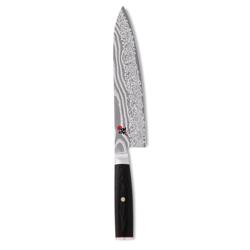
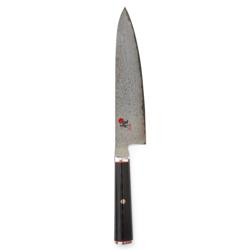
A handmade chef's knife with a symmetrical SG2 core, katana edge, and distinctive Cocobolo Pakkawood handle.
Pros: sharpness, quality, durable
-
(91)
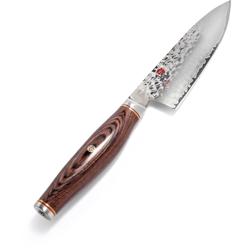
A 5.25" Miyabi Kaizen II prep knife with FC61 super steel and pakkawood handle for precise cutting.
Pros: sharpness, versatility, comfortable handle
-
(765)
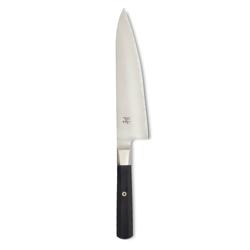
A 9.5" black chef's knife with FC61 super steel and pakkawood handle, hand-sharpened for precision.
Pros: sharpness, lightweight, balance
-
(325)
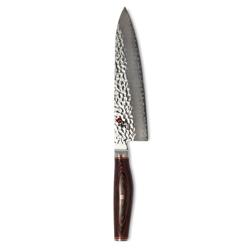
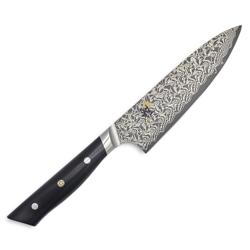
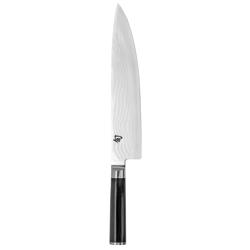
A 8" chef's knife with a vg10 "super steel" core and a graceful Damascus pattern.
Pros: sharpness, beautiful, quality
-
(259)
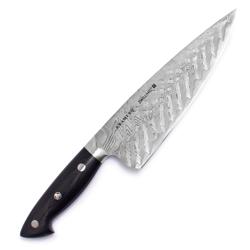
A handcrafted 8" chef's knife with a black stainless steel blade, designed by Bob Kramer.
Pros: sharpness, durability, balance
-
(195)
A 6" black chef's knife with a 49-layer Damascus pattern, triple-riveted handle, and ergonomic bolster.
Pros: sharpness, comfortable handle, edge retention
-
(195)
A versatile 8" chef's knife with a faceted pakkawood handle and a sharp, durable stainless steel blade.
Pros: sharpness, durable, comfortable handle
-
(118)
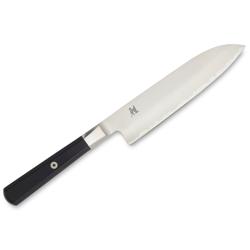
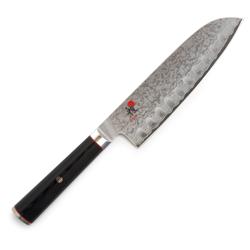
A versatile santoku knife with a micro-carbide SG2 core for exceptional performance and a beautiful cocobolo-rosewood handle.
Pros: sharpness, comfortable handle, edge retention
-
(73)
A handmade chef's knife with a SG2 core, katana edge, and distinctive Cocobolo Pakkawood handle.
Pros: sharpness, balance, durable
-
(63)
A powerful and versatile chef's knife with a Damascus-clad blade, D-shaped ebony handle, and razor-sharp precision.
Pros: sharpness, durability, balance
-
(61)
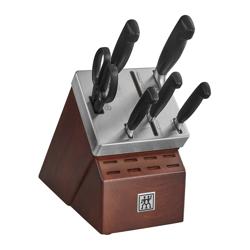
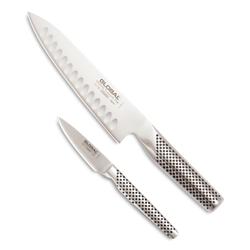
A sharp, lightweight knife set with ergonomic handles and seamless stainless steel construction.
Pros: quality, well balanced, sharpness
-
(51)
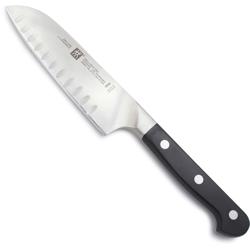
A 7" Santoku knife with a vg10 "super steel" core and a Damascus pattern for superior strength and edge retention.
Pros: sharpness, durability, sharp blade
-
(47)
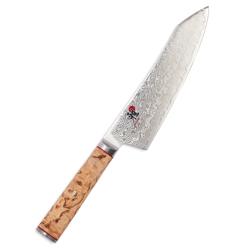
A versatile rocking santoku knife with a Damascus patterned blade and a comfortable Masur birch handle.
Pros: sharpness, comfortable handle, functional
-
(43)
A handmade chef's knife with a distinctive Cocobolo Pakkawood handle and an industry-leading SG2 core.
Pros: sharpness, comfortable handle, balance
-
(42)
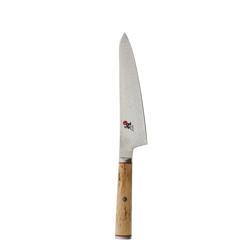
A 5.5" Miyabi Birchwood prep knife with a Damascus pattern, Rockwell hardness of 63, and Masur birch handle.
Pros: sharpness, durable, versatility
-
(39)
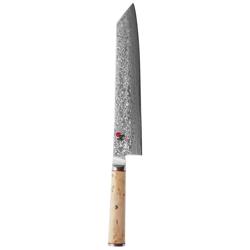
A traditional Japanese-style kiritsuke knife with a 9.5" blade, featuring 101 layers of steel and a comfortable birch handle.
Pros: sharpness, balance, beautiful
-
(38)
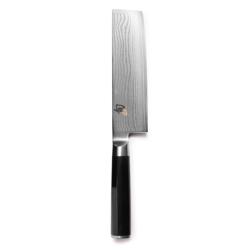
A handmade, razor-sharp nakiri knife for precise chopping, slicing, and mincing of fruits and vegetables.
Pros: sharpness, quality, efficiency
-
(36)
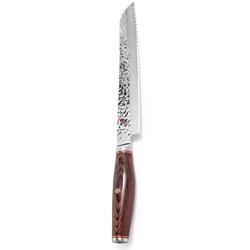
A handmade bread knife with a legendary katana edge, featuring a distinctive Cocobolo Pakkawood handle.
Pros: sharpness, comfortable handle, versatility
-
(33)
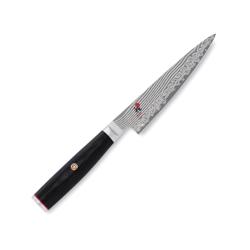
A 4.5" black utility knife made from FC61 super steel and stainless steel Damascus for exceptional performance.
Pros: sharpness, durable, comfortable handle
-
(32)
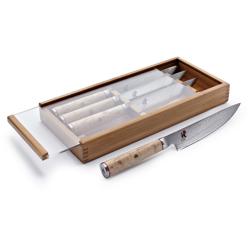
A set of 4 authentically Japanese steak knives with 101 layers of steel and a comfortable grip.
Pros: sharpness, durable, beautiful
-
(95)
A versatile, high-quality santoku knife with an angled bolster for enhanced precision and comfort.
Pros: sharpness, versatility, durable
-
(62)
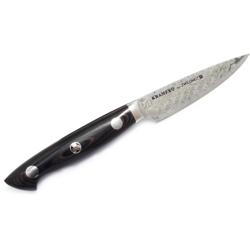
A handcrafted paring knife with a 3.5" stainless steel blade, designed by Bob Kramer.
Pros: sharpness, durability, comfortable handle
-
(37)
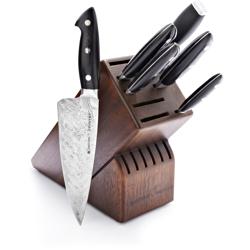
A 7-piece set of artisan knives designed by Bob Kramer, crafted to his exacting specifications.
Pros: durable, sharpness, beautiful design
-
(33)
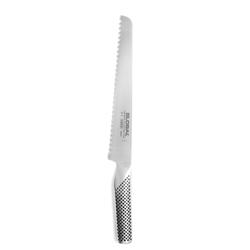
A sleek, lightweight bread knife with a serrated blade that effortlessly slices tough-crusted loaves.
Pros: sharpness, effectiveness, cuts well
Japanese Knives
Unlock the precision and elegance of Japanese knives, renowned for their exceptional craftsmanship and cutting-edge performance. These knives are crafted with traditional Japanese techniques and high-quality materials and offer unparalleled sharpness and durability. Experience effortless precision and control as you slice through ingredients with ease. Elevate your culinary skills with the artistry and precision of Japanese knives, the epitome of culinary excellence.


Japanese Knives
FAQ List
Japanese knives are typically lighter and sharper than Western knives. They are also often made from harder steel, which allows them to hold a sharper edge for longer.
A Santoku knife is a great choice for beginners. It is a versatile knife that can be used for a variety of tasks, including slicing, chopping, and dicing.
Japanese knives should be hand washed and dried immediately after use. They should also be stored in a knife block or sheath to protect the blade. It's important to keep the blade sharp by using a honing rod or sharpening stone regularly.
Japanese knives can be more expensive than Western knives, but this is often due to the high-quality materials and craftsmanship that goes into making them. However, there are also affordable options available for those on a budget.
No, Japanese knives are not designed to cut through bone. Doing so can damage the blade and potentially cause injury. It's important to use a specialized bone saw or cleaver for this task.

-
"s the best, also first, knife I have ever purchased and it was definitely worth it"
-
"Love this knife! Bought each of my adult children one too"
-
"We love it so much we got a second one! It?s definitely our most used knife"
-
"These knives have a great feel and they?re the best knives we?ve ever had"
-
"Love. Love. Love. First of all, it's a beautiful block. Second, the knives are just great"