-
(75)
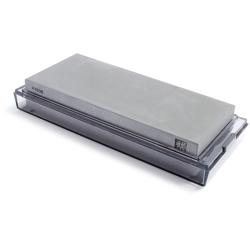
A two-sided sharpening whetstone in gray, perfect for maintaining and repairing cutlery edges.
Pros: effective sharpening, easy to use, effectiveness
-
(13)
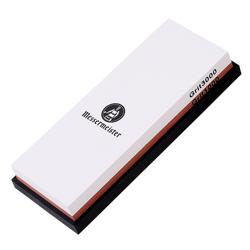
A two-sided sharpening stone with 1000/3000 grits for maintaining and polishing cutlery edges.
Pros: effectiveness, quality, sharpness
-
(1)
A double-sided gray sharpening stone for professional precision-edge maintenance of cutlery, with 250 and 1000 grit options.
Pros: easy to use, convenient, double sided
-
(19)
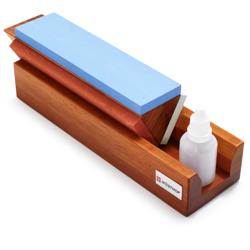
A convenient three-in-one stone sharpener with color-coded stones and bonus water bottle for easy sharpening.
Pros: effective sharpening, effectiveness, easy to use
-
(44)
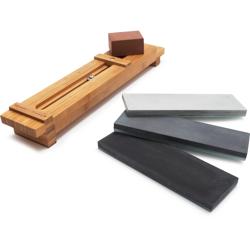
A premium knife sharpening kit designed by Bob Kramer, featuring various sharpening stones and accessories.
Pros: effectiveness, quality, ease of use
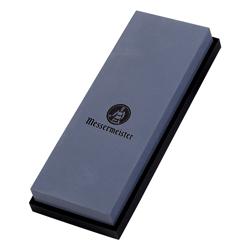
Knife Sharpening Stone
Achieve razor-sharp precision in your culinary endeavors with our Knife Sharpening Stone collection. Elevate your kitchen game by maintaining the sharpness of your blades with these high-quality sharpening stones. Crafted to deliver optimal sharpening results, these stones are essential tools for any home cook or professional chef looking to effortlessly slice, dice, and chop with ease. Explore our range of Knife Sharpening Stones to ensure your knives stay sharp and ready for any cutting task that comes your way.
Knife Sharpening Stone
FAQ List
A knife sharpening stone is a tool used to sharpen and maintain the edge of a knife. It typically consists of a flat stone with a coarse or fine-grit surface.
To use a knife sharpening stone, you'll need to hold the knife at the correct angle and run it along the surface of the stone, using a consistent motion and pressure. This will help to sharpen the blade and remove any dull or damaged areas.
Using a knife sharpening stone can help to keep your knives sharp and effective for longer, which can make food prep easier and safer. It can also improve the overall quality of your cooking by allowing you to make cleaner, more precise cuts.
When buying a knife sharpening stone, you'll want to consider factors such as the type of stone (coarse or fine), the size and shape of the stone, and any additional features such as a non-slip base or sharpening guide. You'll also want to ensure that the stone is compatible with the type of knives you have.
The frequency with which you should use a knife sharpening stone depends on how often you use your knives and how dull they become. As a general rule, it's a good idea to sharpen your knives every few months or whenever they start to feel dull or ineffective.

-
"Love it. The 2 stage sharpening works great for my knives"
-
"Absolutely the best"
-
"Works great. Love it"
-
"These knives have a great feel and they?re the best knives we?ve ever had"
-
"Love it. The 2 stage sharpening works great for my knives"