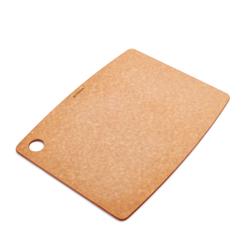
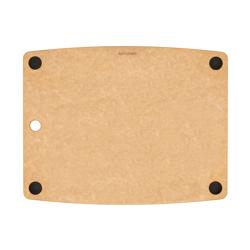
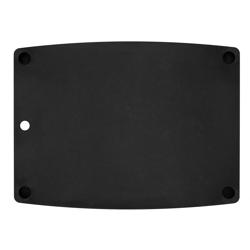
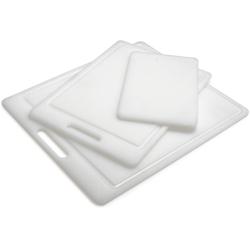
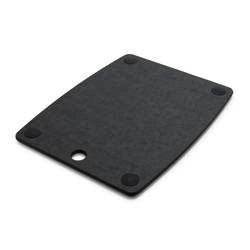
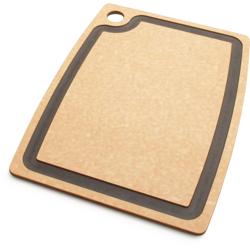
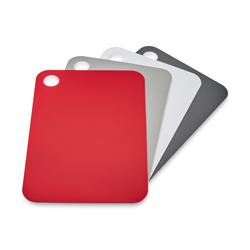
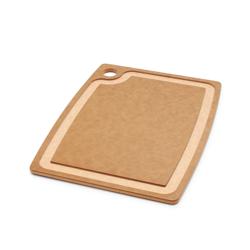
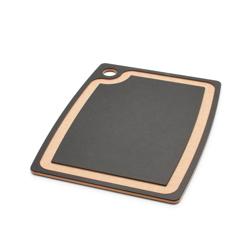
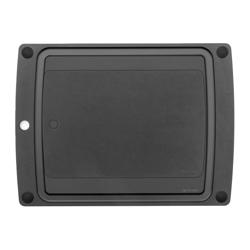
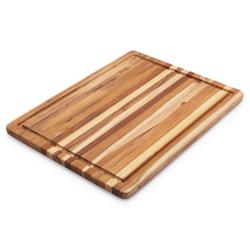
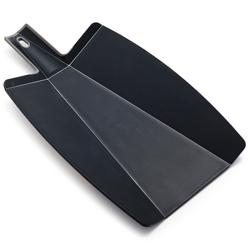
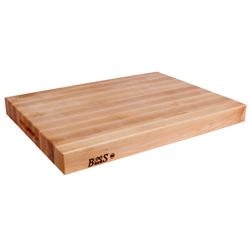
Lightweight dishwasher-safe cutting boards give everyday prep a practical balance of easy handling, reliable cutting space and straightforward cleanup. Common materials include plastic and wood fiber composite, along with some specially engineered bamboo constructions approved for dishwasher use. Dishwasher compatibility depends on the board’s construction, not just its material, so the care instructions matter even when two boards look similar. Plastic cutting boards are often light enough to lift with one hand and easy to move between the counter, sink and dishwasher. Some thinner plastic designs flex to help funnel chopped vegetables into a bowl, while more rigid designs provide a firm surface for slicing apples, trimming chicken or mincing herbs. Wood fiber composite boards combine wood fibers with a binding material to create a relatively thin, dense cutting surface; dishwasher-safe versions offer an alternative to thicker wooden boards that require hand-washing. Traditional solid wood and bamboo boards generally should not go in the dishwasher unless the manufacturer specifically permits it. Within this category, the most useful material is one that suits both the food being prepared and the way the kitchen runs. A small, light board makes quick work of a lemon wedge or a handful of strawberries without bringing out a large prep surface. A broader board gives diced onions, carrot rounds and chopped celery room to gather without crowding the knife. For cooks preparing several meals at once, easy-to-handle boards can make it simpler to keep separate surfaces for raw proteins and ready-to-eat ingredients. Lightweight construction can also be helpful for anyone who finds a heavy butcher block awkward to carry or wash, though grip, balance and stability are just as important as weight. The goal is a board that feels manageable when empty and when covered with ingredients, with enough structure to move food confidently from the cutting area to the stove.
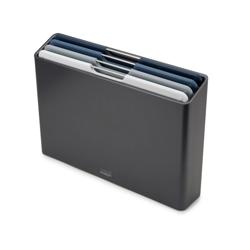
Size and shape affect how comfortably a cutting board fits into everyday cooking, especially in kitchens where counter space and dishwasher space are limited. A slim profile can make storage easier, but length and width determine whether a board leaves room for a mixing bowl, a colander or the ingredients waiting to be chopped. Consider the usable cutting area rather than the outer dimensions alone: a wide handle or deep perimeter groove takes up space that might otherwise hold food. Smaller boards suit sandwich assembly, slicing cheese and quick garnishes, while medium and larger surfaces offer more room for a chef’s knife and a full recipe’s worth of vegetables. For carving cooked meat or cutting juicy tomatoes, a juice groove can help collect liquid before it reaches the counter. A flat surface leaves more uninterrupted space for chopping and sweeping ingredients into a pan, and a reversible design may provide different working surfaces on either side. Nonslip feet or grips can help reduce shifting, although any board needs a clean, stable surface underneath it. An integrated handle or easy-to-lift edge can make a thin board less awkward to pick up, particularly when the counter is wet. Flexible boards offer a different advantage: their edges can bend into a loose chute for transferring diced peppers or minced garlic into a narrow container. That flexibility is useful for moving ingredients, but cooks who prefer a firm surface under the knife may be more comfortable with a rigid board. Fit also extends to the dishwasher. A board needs enough clearance to avoid blocking a spray arm, and it should sit securely in the rack location specified by its manufacturer. A large board that fits the counter but cannot fit the dishwasher safely may not deliver the convenience expected. For storage, a narrow slot beside a baking sheet or an upright organizer can keep a slim board within reach, provided the surface is fully dry before being put away.
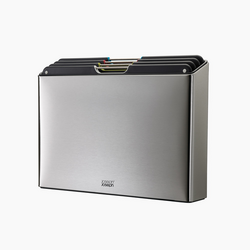
Easy care is a major reason to use dishwasher-safe cutting boards, but durability still depends on how they are handled between washes. Follow the manufacturer’s instructions for rack placement, cycle restrictions and drying, since dishwasher safe does not mean every board tolerates every setting. Remove loose food before loading, position the board so water can reach its surfaces and allow it to dry completely before storage. Avoid wedging it tightly between dishes, where food residue and moisture can remain trapped. For food safety, use separate boards for raw meat, poultry and seafood and for foods that will be eaten without further cooking, such as salad vegetables or sliced fruit. A reversible board provides another cutting surface, but turning it over does not replace proper washing after contact with raw ingredients. Different colors or clearly designated boards can help make those kitchen routines easier to maintain. For related options with a focus on cutting surfaces and everyday care, explore
Healthy Cutting Boards. No cutting board stays pristine forever: regular knife work leaves marks, and a dependable prep surface should be checked for deep grooves, cracks, peeling layers or warping. Replace a board when damage makes it difficult to clean thoroughly or prevents it from sitting securely on the counter. Use cutting boards for their intended purpose rather than treating them as trivets, oven accessories or bases for hot cookware unless those uses are expressly approved. A thin board may be durable enough for daily slicing without being suited to forceful chopping through bones or other heavy work. With that distinction in mind, lightweight dishwasher-safe boards are useful for a wide range of cooks, from someone furnishing a first apartment to an experienced home cook who wants a smaller surface for quick tasks. They also make thoughtful housewarming gifts, particularly when sized for the recipient’s kitchen and paired with tools suited to their cooking habits. Whether the routine involves packing lunches, chopping vegetables for dinner or setting out fruit for a snack, an easy-to-move, easy-to-clean board earns its place through frequent use rather than complicated upkeep.