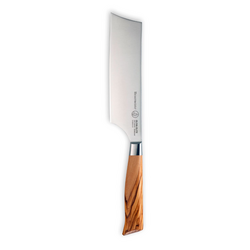
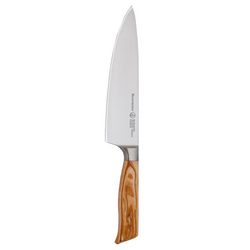
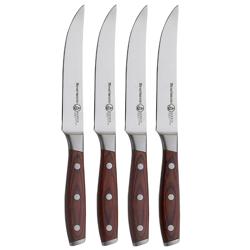
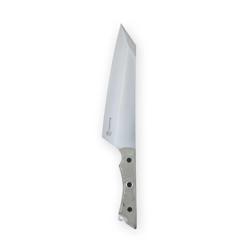
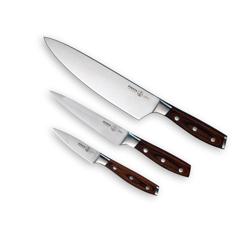
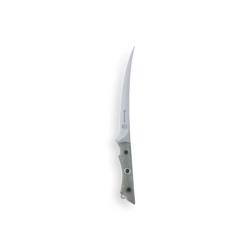
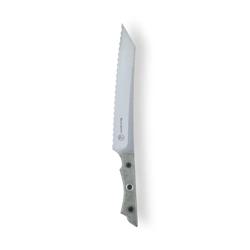
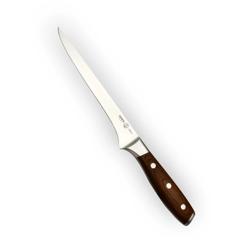
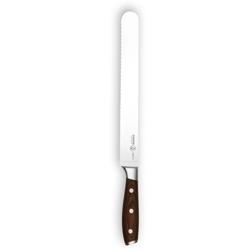
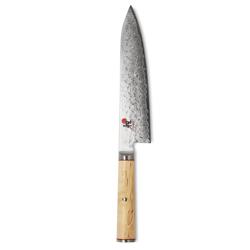
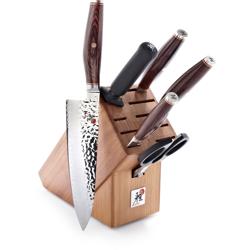
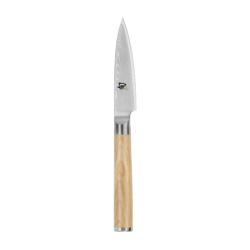
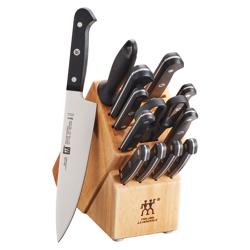
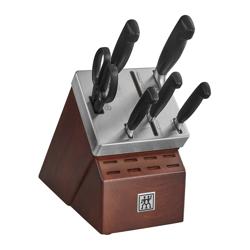
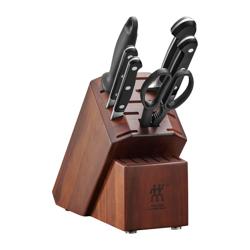
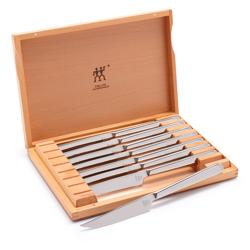
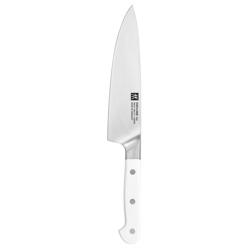
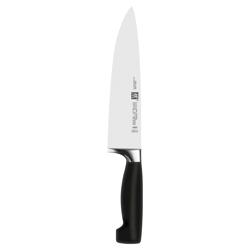
A well-chosen kitchen knife earns its place through the small tasks that make a meal come together: dicing an onion for soup, slicing a ripe pear for a salad or chopping parsley just before serving. The right fit makes those everyday motions feel controlled and comfortable, whether dinner is a quick skillet meal or a slow-cooked centerpiece with several sides. Kitchen knives come in different shapes because ingredients call for different kinds of cuts. A broad chef’s blade offers room for chopping vegetables and gathering prepared ingredients, while a smaller paring blade provides close control for trimming strawberries or removing a blemish from an apple. Serrated edges are useful for foods with a firm exterior and a softer center, including crusty bread and tomatoes, while a longer slicing blade helps create even portions of cooked meat with fewer strokes. For many home cooks, a versatile everyday knife is the natural starting point; more specialized shapes make sense when particular tasks become part of the regular routine. Someone who prepares vegetables most evenings may value a blade with enough height to give the knuckles clearance above the board. A cook who regularly breaks down meat may prefer a narrower shape for working around joints and separating smaller sections. Blade length matters, too, but longer does not automatically mean better. A compact kitchen, a smaller cutting board or a preference for close control can make a shorter blade more practical. A longer edge provides extra reach for large bunches of greens and wider cuts of meat, provided there is enough room to work comfortably. During the cooler months, when squash, root vegetables and hearty roasts often take a place on the menu, matching the knife to the task is especially useful. Dense ingredients still call for a stable board and careful technique rather than extra force. The goal is a tool that suits the food, the workspace and the person holding it.
Materials and construction help explain how a knife feels in use and what kind of attention it needs over time. Stainless steel is a common choice for kitchen blades because it offers resistance to corrosion alongside everyday cutting performance, though stainless does not mean rustproof or maintenance-free. Carbon steel can develop a patina with use and generally requires more immediate drying and closer attention to moisture. Steel composition, heat treatment and edge geometry all contribute to cutting performance, so a single material description cannot tell the whole story. A thin edge may move cleanly through delicate ingredients, but it is not intended for prying, twisting through hard food or cutting bones unless the knife is specifically designed for that purpose. Forged and stamped construction describe different manufacturing approaches, not a simple ranking of good and better. Either can produce a useful kitchen tool, and the finished blade’s balance, shape and intended use deserve more attention than the label alone. Handle materials bring their own considerations. Wood offers natural variation in grain and a warm feel, while many synthetic handles are designed to tolerate regular kitchen use with relatively straightforward care. In either case, a smooth transition between blade and handle and a shape that supports a secure grip can make repetitive prep more comfortable. Some cooks like a substantial handle and noticeable weight; others prefer a lighter knife that feels easy to reposition between cuts. Neither preference is universal, and hand size alone does not determine the best match. The way a cook grips the knife, the cutting motion they favor and the amount of prep they do all matter. A gently curved edge suits a rocking motion, while a flatter profile can feel natural for more direct downward cuts. When comparing kitchen knives, consider those physical differences alongside the tasks they will perform. Exploring the
Zwilling Knife selection can offer another point of comparison for blade shapes, handle designs and the features that matter in daily cooking.
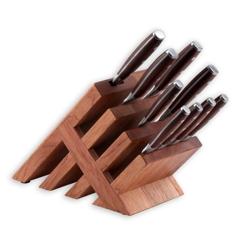
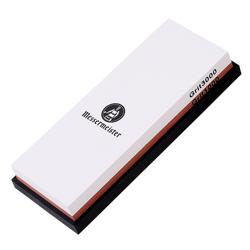
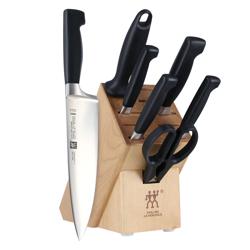
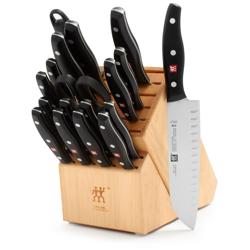
Long-term satisfaction depends as much on care and storage as on the initial choice. A kitchen knife should be easy to incorporate into a sensible routine: hand-wash it carefully after use, dry it thoroughly and put it somewhere that protects both the edge and anyone reaching nearby. A dishwasher’s heat, detergent and movement can be hard on blades and handles, making hand-washing the better practice even when cleanup feels pressing. Leaving a knife in a sink also creates a hidden hazard and exposes it to unnecessary moisture. Cutting surfaces matter because every slice eventually brings the edge into contact with the board. Wood and suitable plastic cutting boards are generally more forgiving than glass, stone or a dinner plate, which can dull an edge quickly. Even a durable knife will need edge maintenance. Honing can help maintain some edges between sharpenings, while sharpening removes metal to restore cutting geometry; the appropriate tools and frequency depend on the blade and how it is used. Manufacturer care recommendations are the best starting point, particularly for knives with specific edge angles or harder steels. Protective storage in a fitted block, an in-drawer organizer or a suitable blade guard helps prevent loose contact with other utensils. These everyday habits make a meaningful difference for someone cooking often, and they are worth considering when choosing a knife as a gift. A versatile blade can be a thoughtful choice for a confident beginner setting up a kitchen, an enthusiastic home cook refining a well-used collection or a host who enjoys preparing meals for a full table. A specialized knife is most useful when it reflects a known interest, such as baking bread or carving roasts. For someone with established preferences, familiar handle proportions and a comfortable blade length may matter more than adding another shape to the drawer. Whether chosen for daily dinners or longer cooking projects, a knife should have a clear purpose and feel welcome in the rhythm of the kitchen. Thoughtful selection favors useful design, manageable care and dependable performance over features that rarely come into play.