-
(33)
Great experience!...Great treats!...Great bonding experience with easy enough recipes (but not that easy where she lost interest).
-
(54)
Liz was a great teacher and we got tons of hands on experience making all three desserts....Larissa was a great instructor, had a great time. Highly recommend....Great class!
-
(52)
Overall we had a great time, learned that the eclairs were not that hard to make, and that the pastry
-
(6)
Cooking Class Description: Why settle for dinner and a movie when you can invite your special someone on a culinary tour of France? You’ll love working alongside your date and other classmates preparing a sumptuous meal of authentic French favorites....
-
Cooking Class Description: Celebrate Mardi Gras and the festive flavors of New Orleans while mastering classic Southern baking techniques. Our chef instructor will teach you the tips and tricks for crafting the beloved NOLA confections as you prepare...
Tart Baking Classes
Explore tart baking classes to find a session that fits your interests and schedule. Compare class descriptions for the tart recipes and pastry techniques covered, and check any experience recommendations to choose a class that matches your baking goals.

Best Of FAQ
Tart baking classes focus on the techniques behind pastry crusts and fillings. Topics may include mixing and resting dough, rolling it out, lining a tart pan, and preparing fillings. The class description will outline the recipes and techniques covered.
A class focused on pastry fundamentals is a good starting point for beginners. Look for lessons that introduce dough preparation, rolling, and filling techniques. Check the class description for any recommended baking experience before choosing a session.
Tarts typically have an open top and a crust that holds its shape when removed from the pan. Pies are usually served in their baking dish and may have a bottom crust, a top crust, or both. Tart dough also tends to have a more crumbly, cookie-like texture, though recipes vary.
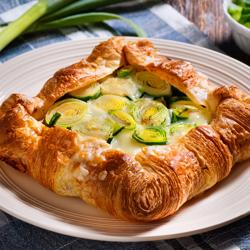
No—tarts can be sweet or savory. Sweet versions include fruit, custard, and chocolate fillings, while savory tarts may feature vegetables, cheese, or eggs. Check the class menu to see which style a session explores.
Blind baking means baking a pastry shell before adding its filling. Depending on the recipe, the shell may be partially or fully baked. It is a common technique for tarts with fillings that need less oven time than the crust or do not need baking at all.
-
"This was a great class, and loved having pie at my Thanksgiving dinner"
-
"This was a great class, and loved having pie at my Thanksgiving dinner"
-
"Ben is a GREAT asset to your company. Thank you Chef Ben and Sur la table"
-
"Excellent class with great baking advice! I look forward to my next class"
-
"Liz was a great teacher and we got tons of hands on experience making all three desserts"