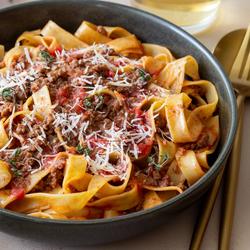
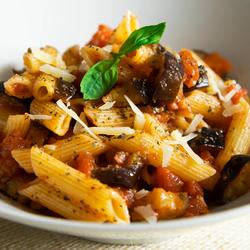
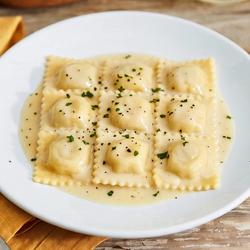
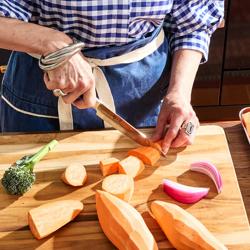
Sauce-making classes for ragù and tomato sauces put familiar favorites into focus, with attention to the flavor, texture, and timing that make a bowl of pasta memorable. A tomato sauce can be bright and fresh-tasting or deeply concentrated, while a ragù often builds its character around meat, aromatic vegetables, and a patient simmer. The two overlap, but they are not interchangeable: some ragù preparations use relatively little tomato, and regional traditions differ in their choice of meat, cooking liquid, and finishing ingredients. Classes centered on these sauces offer a way to explore those differences through cooking rather than simply reading a recipe. For a newer cook, that might mean understanding why finely chopped vegetables create a different foundation than larger pieces, or recognizing the difference between gently softened onions and onions that have started to brown. For someone who already makes pasta regularly, the appeal may be learning how to build a fuller flavor without adding more ingredients. Depending on the menu, lessons may explore the role of olive oil, the concentration of tomato paste, the savory depth of browned meat, or the way wine contributes acidity and aroma as it reduces. These are useful distinctions for anyone who has followed a recipe carefully and still wondered why the finished sauce tasted flat, felt too heavy, or never quite came together. A class gives those details a practical setting, connecting what happens in the pan with what ends up on the plate. It also makes room for the character of each preparation. A simple tomato sauce does not need to taste like an all-day ragù to be successful, and a rich meat sauce does not need a long list of herbs to feel complete. Understanding the intended result is part of learning to cook either one well, whether the goal is a straightforward pasta dinner or a dish worth sharing around a crowded table.
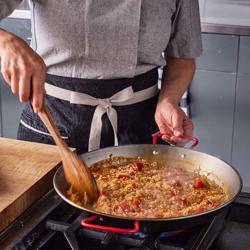
Much of the value of a sauce-focused cooking class lies in learning to notice small changes. Garlic can move quickly from fragrant to bitter, tomato paste develops a different aroma as it cooks, and a ragù gradually becomes more cohesive as its ingredients soften and its liquid reduces. Recipes can suggest a cooking time, but seeing those stages helps explain why the same directions may behave differently in a wide, shallow pan than in a deeper pot. Instruction may cover heat control, moisture management, and the difference between a gentle simmer and a hard boil, all in the context of the sauce on the menu. Tasting is just as important. Tomatoes vary in sweetness and acidity, and a sauce that seems sharp early on may taste rounder after its flavors have developed. Learning to distinguish a sauce that needs seasoning from one that needs more cooking is a useful skill far beyond pasta night. The same is true of texture: a rustic sauce with tender pieces of vegetables has a different purpose than a smooth sauce designed to coat each strand evenly. Classes that include pasta preparation or finishing may also show how sauce and pasta become a single dish rather than two separate components. Starchy pasta water can help bring fat and liquid together, while a brief finish in the pan can help the sauce cling instead of collecting underneath. Those details matter when serving broad ribbons with a substantial ragù or pairing a lighter tomato sauce with a shape that suits its consistency. The class description can clarify whether the emphasis is on a slowly developed meat sauce, a quicker tomato preparation, handmade pasta, or a complete meal. That distinction helps set expectations for the experience and for the techniques participants can practice again at home. The most useful lessons are often the ones that make everyday decisions easier, such as recognizing when a sauce has reduced enough or understanding why a pasta dish looks glossy rather than greasy.
These classes can suit first-time cooks, confident home cooks looking to refine a favorite dish, and pasta lovers who want a better understanding of what makes a sauce satisfying. For beginners, a focused theme offers a manageable way to practice several foundational skills within one meal. More experienced cooks may appreciate the chance to ask specific questions about browning, consistency, seasoning, or the order in which ingredients are added. A shared class can also make a thoughtful date night or an outing with a friend, particularly for people who enjoy doing something together rather than simply sitting down to dinner. For someone who likes to host, the appeal extends to planning meals that feel generous without requiring every element to be finished at once. Ragù is often well suited to advance preparation, and learning how a sauce behaves when cooled and reheated can be as useful as learning its initial cooking stages. A cooking experience can also be a meaningful gift for a person who enjoys Italian food, is building confidence in the kitchen, or keeps returning to the same few pasta recipes and wants to branch out. When choosing a class, the menu, skill level, and description of the cooking format offer the clearest sense of how it fits the participant’s interests. Some cooks will be drawn to the depth of a meat-centered preparation; others will prefer exploring the range possible with tomatoes and a handful of supporting ingredients. For an interest that extends beyond ragù and tomato-based preparations,
Cooking Classes For Mastering Elegant Sauces offers a related direction to explore. A sauce-focused class brings attention back to the details that make home cooking more dependable: tasting with purpose, recognizing texture, and knowing what a dish needs before it reaches the table. Those skills stay useful long after the class, across quiet dinners, meals with friends, and the recipes that become household favorites.