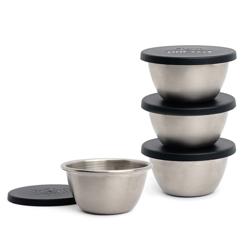
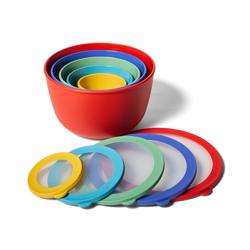
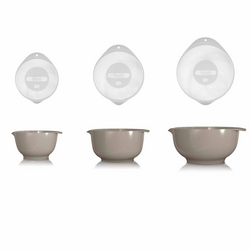
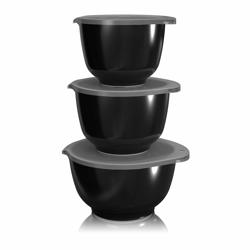
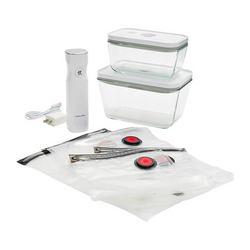
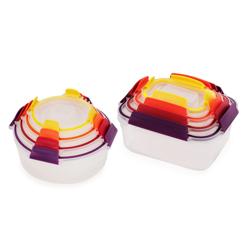
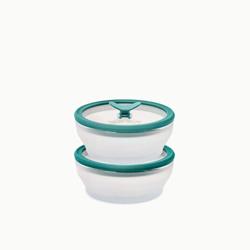
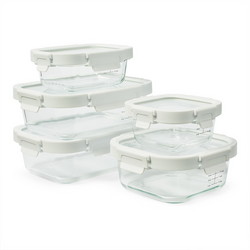
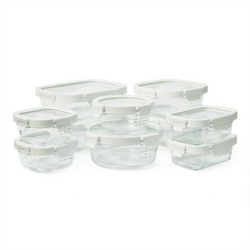
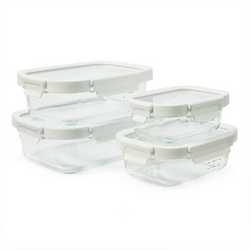
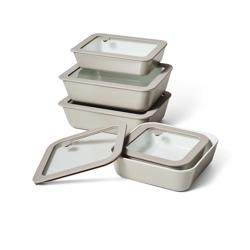
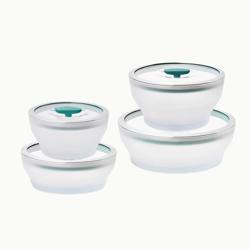
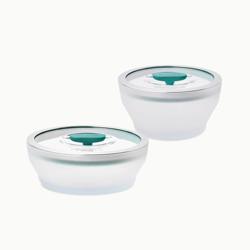
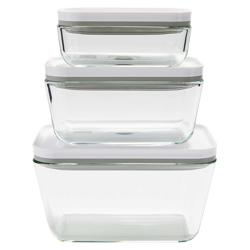
Sealed mixing bowl sets with lids bring food preparation and covered storage together, letting you mix, chill and save ingredients in the same container. A fitted lid helps protect food from exposure to air and refrigerator odors, while a range of bowl sizes makes room for everything from a small batch of dressing to a generous serving of potato salad. For everyday cooking, that means fewer transfers between containers and fewer dishes waiting in the sink. A large bowl can hold shredded cabbage while the dressing comes together in a smaller one; after tossing, the salad can go into the refrigerator under its matching lid. For baking, a covered bowl is useful for chilling cookie dough or holding measured dry ingredients until the rest of the recipe is ready. The distinction between a fitted cover and an airtight seal matters, especially when storage is a priority. Airtight lids are designed to limit air exchange, but not every mixing bowl lid is airtight, leakproof or suitable for carrying liquids. Those claims depend on the construction and manufacturer’s specifications, rather than the presence of a lid alone. A secure seal also depends on a clean rim, correct lid alignment and enough clearance above the food for the cover to close fully. Flexible press-on lids, rigid covers and locking designs can feel quite different in daily use, particularly when hands are damp or grip strength is limited. Bowls that close comfortably without excessive force are easier to reach for throughout a busy cooking day. The most useful set has sizes suited to the portions you actually prepare, with enough headroom for stirring without scattering flour or sending chopped vegetables over the edge. A bowl filled to the brim might hold dinner, but a slightly larger one gives you the space to toss it well.
Material shapes how mixing bowls handle, how much they weigh and which kitchen tasks suit them best. Stainless steel is relatively lightweight, resists breaking and works well for whisking vinaigrettes, combining bread dough or tossing a substantial salad. It is practical for cooks who move bowls frequently between the counter and refrigerator, although it should not go in the microwave. Glass offers a clear view of ingredients, making it easy to see whether flour remains at the bottom or a marinade is coating everything evenly. Its weight can feel reassuring on the counter, but a large glass bowl becomes considerably heavier when full. Glass can also chip or break, and resistance to temperature changes varies by construction. Microwave, freezer and oven use should always follow the bowl’s stated limits; a glass mixing bowl is not automatically a baking dish. Plastic bowls are easy to lift and convenient for everyday prep, though some may develop scratches, staining or lingering odors with repeated use. Melamine provides a lightweight, rigid alternative for mixing and serving, but it is not intended for microwave use. Across materials, the bowl and lid may have different care requirements, so a dishwasher-safe bowl does not necessarily mean its cover can share the same cycle. Details beyond the material make a noticeable difference, too. A broad base offers stability, while a nonslip base can help reduce sliding as you stir thicker mixtures. Deep sides help contain splashes when whisking cream by hand, and a wider opening leaves more room to fold delicate batter with a spatula. A smooth interior and rounded transition between the bottom and sides make ingredients easier to gather without leaving pockets of unmixed flour. Pouring lips can help with thinner mixtures, provided the matching lid is designed to fit that shape securely. Nesting bowls conserve cabinet space, but lid storage deserves equal consideration: covers that stack neatly or stay easy to identify make the whole set more convenient.
A well-matched set supports the way meals come together in a real kitchen, whether that means preparing lunch components ahead of time or spreading baking tasks across an afternoon. Smaller bowls keep chopped herbs, softened butter or a quick sauce close at hand without taking over the work surface. Medium bowls suit beaten eggs, fruit salad and smaller batches of batter, while larger bowls give leafy greens and family-size mixtures room to move. For smaller households, compact kitchens or recipes that call for several separately prepared components,
Small Mixing Bowl Sets With Lids offer a useful size-focused option. Refrigerator space matters as much as counter space: a wide bowl that is comfortable for tossing may need more shelf room than a deeper, narrower shape. Lids can make covered bowls easier to organize, but stacking filled bowls is appropriate only when the design provides stable support. During the cooler months, covered bowls are particularly handy for holding prepared vegetables, chilling pastry dough and keeping toppings ready while the main dish cooks. They also make thoughtful gifts for someone setting up a first kitchen, a frequent baker or a cook who likes preparing several meals at once. For a gift, manageable weight, versatile capacities and straightforward cleaning often matter more than a long list of extras. Lasting performance comes from caring for the seal as well as the bowl. Food trapped around a rim or gasket can interfere with closure, and heat beyond a lid’s recommended limits may cause warping. Thorough cleaning and complete drying before storage help keep those contact surfaces ready for the next use. An airtight seal does not replace refrigeration or extend food safety limits, so perishable ingredients still need prompt, appropriate storage. With the right combination of material, capacity and lid fit, sealed mixing bowls become dependable everyday tools, carrying ingredients from the first stir through covered storage without unnecessary containers or cleanup.