-
(16)
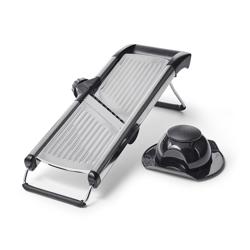
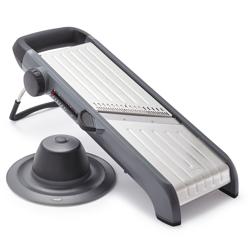
A silver stainless steel mandoline slicer that offers various slice options for efficient and precise food prep.
Pros: easy to clean, easy to store, sharpness
-
(16)
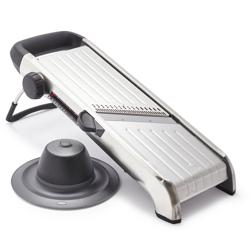
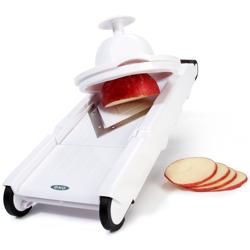
A versatile stainless steel mandoline with multiple blade options for slicing and julienning fruits and vegetables.
Pros: easy to use, effectiveness, works well
-
(1)
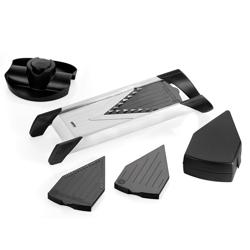
A sleek silver mandoline slicer with three sharp blades for precise slicing and julienning.
Pros: dices in squares
-
(52)
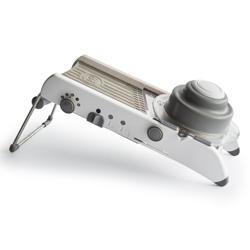
A professional-grade mandoline with four slicing thicknesses, durable stainless steel deck, and nonslip base.
Pros: sharpness, easy to clean, easy to use
-
(4)
A versatile mandoline with adjustable slice thickness and julienne settings, featuring hardened stainless-steel blades.
Pros: easy to use, efficient, slices well
-
(14)
A versatile mandoline slicer with adjustable thickness settings and stainless steel blades for easy slicing and cleaning.
Pros: easy to clean, easy to use, ease of use
-
(8)
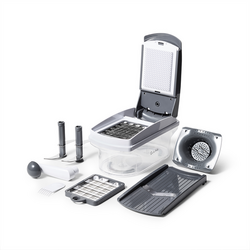
A versatile 5-in-1 chopper with multiple blades and a mandolin slicer for easy food prep.
Pros: sharp stainless steel blades, helpful employees, appearance
Stainless Steel Mandoline Slicers
A mandoline is a kitchen tool that looks like a slicer, but performs like a food processor. It can slice vegetables into paper-thin strands, making them easier to cook and serve. The best mandolines have sharp blades that cut through food quickly and evenly. They are easy to clean and dishwasher safe. Here are some great stainless steel mandoline slicers.
Stainless Steel Mandoline Slicers
FAQ List
A mandoline slicer is a kitchen gadget that allows you to slice fruits and vegetables with precision and speed. It typically consists of a flat surface with a blade that can be adjusted to different thicknesses, and a hand guard to protect your fingers while slicing.
Stainless steel mandoline slicers are durable, easy to clean, and can handle a variety of foods with ease. They also offer precise slicing and julienning, which can help you create beautiful, professional-looking dishes.
Mandoline slicers can be dangerous if not used properly, as they have sharp blades that can cause injury. However, many models come with safety features like hand guards and non-slip feet to prevent accidents in the kitchen. It's important to read the instructions carefully and use the slicer as directed to avoid injury.
While mandoline slicers are primarily used for slicing fruits and vegetables, they can also be used to slice cheese, potatoes, and other foods. However, it's important to make sure the food you're slicing is appropriate for the slicer and won't damage the blades.
To clean your mandoline slicer, first make sure the blades are fully retracted. Then, use a brush or sponge to remove any food debris from the blades and surface. You can also use a mild soap and water to clean the slicer, but be sure to dry it thoroughly before storing to prevent rusting.

-
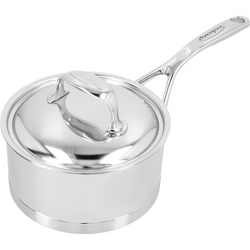
"It is very easy to control the temperature for great reductions and will hold them perfectly through"
-
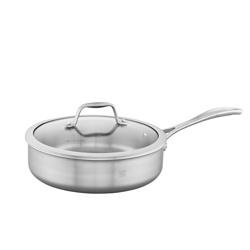
"Love cooking with this new pan! Great addition to any kitchen"
-
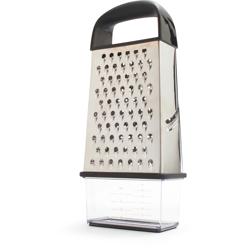
"This grater is great. I especially love the clear box you can attach to the bottom"
-
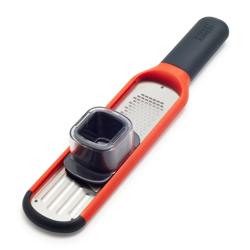
"Works great. Cuts down cutting time, ensures each cut is accurate. Has 6 cutting options"
-
"Works great. At slicing garlic thinly. Cannot figure out how to use grater part"