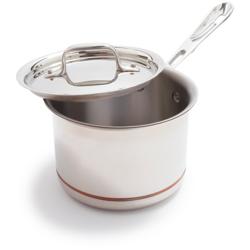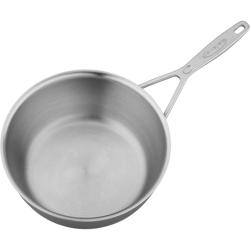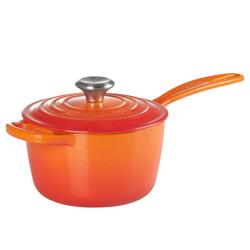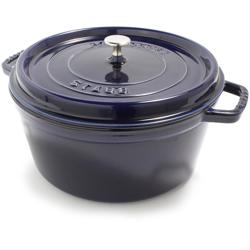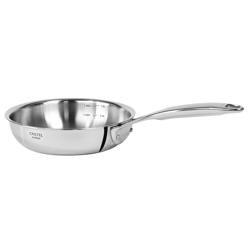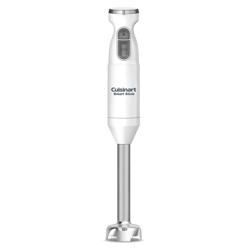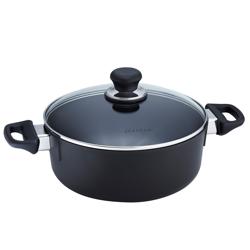
Tools for making sauce can turn a long, messy prep session into a smoother part of cooking, whether you are working with a few ripe tomatoes or preparing a large batch to share. The best setup depends on the kind of sauce you make, the texture you prefer and how much food you typically process at once. A fine-mesh strainer or food mill is useful when you want a silky finish without peeling and seeding ingredients by hand. These manual tools separate skins, seeds and fibrous bits from cooked tomatoes, berries, apples and other produce while pressing the flavorful pulp through a screen. Look for a sturdy frame, a comfortable handle and a stable base that will not shift as you work. Some models clamp to a countertop or table, while others rely on suction or a broad support base. Screen size matters, too: a finer screen produces a smoother sauce, while a wider screen allows more pulp and texture to pass through. For small batches, a food processor can quickly chop onions, garlic, roasted peppers, herbs and vegetables before they go into the pot. It is especially handy for chunky marinara, romesco, curry bases and sauces that will be blended later. A blender creates a more uniform puree, while an immersion blender lets you blend directly in the cooking vessel, saving a transfer and reducing cleanup. When using any blender with hot ingredients, follow the manufacturer’s instructions, avoid overfilling and allow steam to escape safely. A low, wide cooking pot or heavy-bottomed saucepan rounds out the basic setup. Even heat helps a sauce simmer steadily and reduces the risk of scorching, while a broad surface encourages water to evaporate so flavors become more concentrated. A well-fitting lid is helpful when you need to prevent splattering, although leaving the pot partially uncovered is often better during reduction.
For cooks who make tomato sauce, passata or fruit preserves in substantial quantities, a manual or electric straining machine can save considerable time. These machines use an auger and interchangeable screen to crush softened produce and separate the pulp from skins and seeds, often without requiring you to peel, core or seed each ingredient first. A manual model is a practical choice for occasional batches and gives you direct control over the pace of the process. It also takes up less space and does not require an outlet, which can be useful when processing garden produce at an outdoor worktable or in a kitchen with limited counter space. An electric model is better suited to frequent cooking or larger volumes, since its motor can move produce through the screen more quickly and with less hand effort. When comparing options, consider the size of the hopper, the amount of pulp it can process continuously, how easily the screen and auger come apart for cleaning and whether replacement parts are available. A secure clamp or nonslip base is important for manual equipment, especially when pressing firm or fibrous ingredients. For electric equipment, pay attention to motor strength, operating instructions and storage requirements. Sauce-making tools are also useful beyond tomato season. A food mill can turn cooked apples into smooth applesauce, a blender can combine roasted vegetables into a warming soup base and a fine strainer can refine pan sauces, custards and citrus dressings. During the cooler months, these tools make it easier to prepare generous pots of gravy, cheese sauce, mushroom sauce and braising liquids with a texture that feels polished rather than hurried. If you also enjoy making fresh pasta, dumplings or baked treats, you may find useful equipment in
Tools For Making Dough.
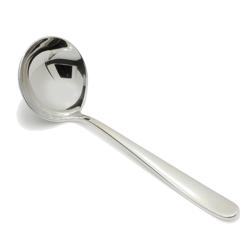
When choosing tools for making sauce, start with your cooking habits rather than the most elaborate setup. Someone who makes a quick weeknight pesto or salad dressing may need only a compact processor, immersion blender and dependable saucepan. A cook who enjoys preserving garden tomatoes may appreciate a food strainer, a large stockpot, a ladle and containers suited to freezing or canning. For smooth gravies and pastry creams, a fine-mesh strainer and whisk are often more valuable than a high-powered machine. For emulsified sauces such as mayonnaise or vinaigrette, a tall container and immersion blender can make it easier to combine ingredients without splashing. Handles should feel secure when wet and the working parts should be easy to rinse before food dries in place. Dishwasher-safe components can simplify cleanup, but hand-washing may help preserve sharp blades, screens and finishes over time. Capacity deserves equal attention: a tool that is too small may require several rounds, while an oversized machine can be cumbersome for everyday use. Sauce-making equipment makes a thoughtful gift for a new homeowner, an enthusiastic gardener, a student building a first kitchen or anyone who enjoys feeding a crowd. A compact blender or well-made strainer suits a smaller kitchen, while a larger processing setup is a generous choice for a confident home cook who likes to preserve produce and give jars of sauce to friends. The most useful tools are the ones that fit naturally into the cook’s routine, from a spoonful of pan sauce finished at the stove to a deep pot of tomato sauce simmering slowly while the kitchen fills with the savory scent of garlic and herbs.