-
(44)
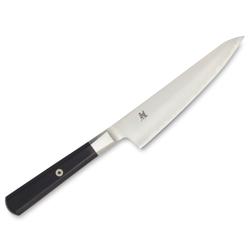
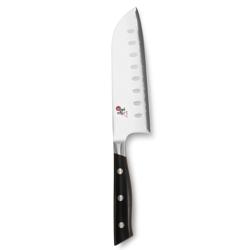
A versatile 5.5" santoku knife with a black pakkawood handle, forged from FC61 stainless steel.
Pros: sharpness, lightweight, comfortable handle
-
(35)
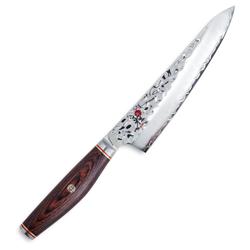
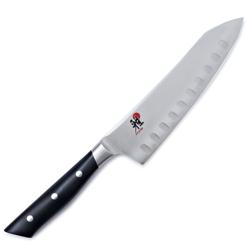
A 5.5" black prep knife with a pakkawood handle, forged from FC61 stainless steel for exceptional sharpness and durability.
Pros: sharpness, versatility, lightweight
-
(33)
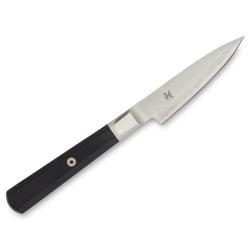
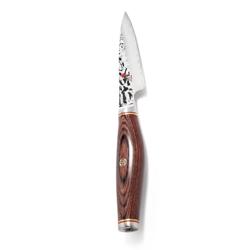
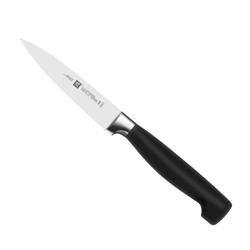
A nimble paring knife with a faceted pakkawood handle, hand-honed to a sharp 9.5-12 degrees.
Pros: sharpness, comfortable handle, sharp blade
-
(42)
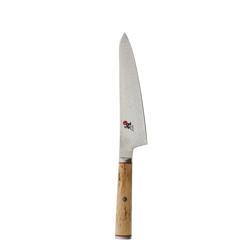
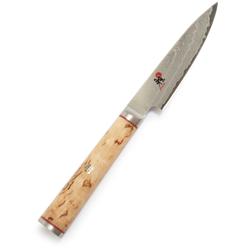
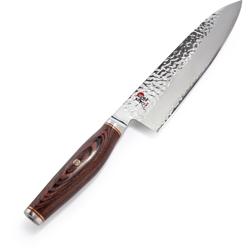
A 5.5" Miyabi Birchwood prep knife with a Damascus pattern, Rockwell hardness of 63, and Masur birch handle.
Pros: sharpness, durable, versatility
-
(32)
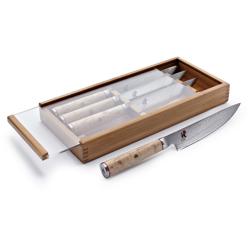
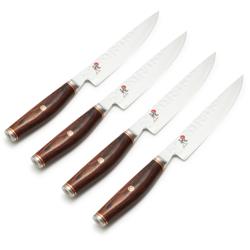
A set of 4 authentically Japanese steak knives with 101 layers of steel and a comfortable grip.
Pros: sharpness, durable, beautiful
-
(76)
A meticulously crafted paring knife with a 101-layer Damascus pattern, a D-shaped birch handle, and a razor-sharp blade.
Pros: sharpness, sharp blade, comfortable handle
-
(325)
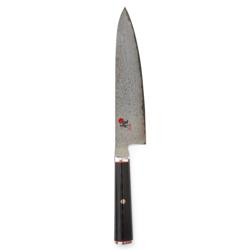
A 8" chef's knife with a vg10 "super steel" core and a graceful Damascus pattern.
Pros: sharpness, beautiful, quality
-
(195)
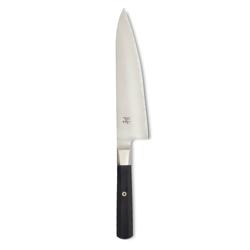
A versatile 8" chef's knife with a faceted pakkawood handle and a sharp, durable stainless steel blade.
Pros: sharpness, durable, comfortable handle
-
(139)
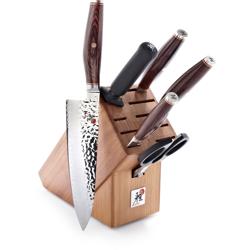
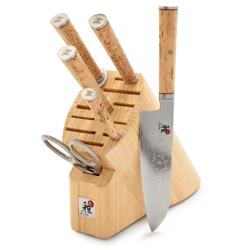
A 7-piece knife block set with an industry-leading SG2 core, legendary katana edge, and distinctive cocobolo pakkawood handle.
Pros: sharpness, beautiful design, craftsmanship
-
(120)
A 7-piece knife set with a delicate Damascus pattern, hand-honed blades, and a genuine hamon edge.
Pros: sharpness, durability, quality
-
(118)
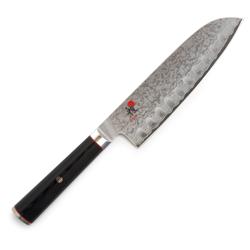
A versatile santoku knife with a micro-carbide SG2 core for exceptional performance and a beautiful cocobolo-rosewood handle.
Pros: sharpness, comfortable handle, edge retention
-
(96)
A versatile 5.5" prep knife with a textured finish, cocobolo-rosewood handle, and exceptional cutting performance.
Pros: sharpness, comfort, versatility
-
(95)
A handmade paring knife with a legendary katana edge, featuring a distinctive Cocobolo Pakkawood handle.
Pros: sharpness, comfortable handle, durable
-
(76)
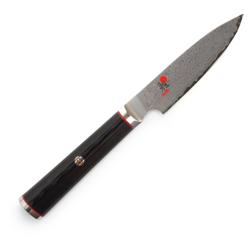
A 3.5" black paring knife with a Damascus pattern, ice-hardened steel construction, and durable micarta handle.
Pros: comfortable handle, versatility, sharp blade
-
(66)
A versatile rocking santoku knife with a wide, curved blade for efficient chopping and mincing.
Pros: versatility, sharpness, comfortable handle
-
(62)
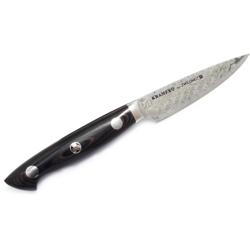
A handcrafted paring knife with a 3.5" stainless steel blade, designed by Bob Kramer.
Pros: sharpness, durability, comfortable handle
-
(51)
A 7" Santoku knife with a vg10 "super steel" core and a Damascus pattern for superior strength and edge retention.
Pros: sharpness, durability, sharp blade
-
(43)
A handmade chef's knife with a distinctive Cocobolo Pakkawood handle and an industry-leading SG2 core.
Pros: sharpness, comfortable handle, balance
-
(39)
A 9.5" black slicer made from FC61 super steel and stainless steel Damascus for precise cutting.
Pros: sharpness, comfortable handle, balance
-
(38)
A handmade, razor-sharp nakiri knife for precise chopping, slicing, and mincing of fruits and vegetables.
Pros: sharpness, quality, efficiency
-
(30)
A 7" black Santoku knife with a Damascus-clad blade, D-shaped ebony pakkawood handle, and VG-MAX super steel core.
Pros: sharpness, quality, durable
-
(56)
A nimble, black paring knife with a 3.5" stainless steel blade for precise cutting tasks.
Pros: sharpness, durable, comfortable handle
-
(40)
A revolutionary black santoku knife with exceptional steel, ergonomic handle, and precision balance.
Pros: sharpness, comfortable handle, durability
-
(30)
A set of four exquisite steak knives with a razor-sharp katana edge and distinctive Cocobolo Pakkawood handles.
Pros: sharpness, beautiful design, comfortable handle
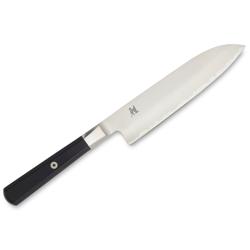
Traditional Japanese Knives
Looking to add a touch of authenticity and precision to your culinary adventures? Look no further than our collection of traditional Japanese knives. Renowned for their exceptional craftsmanship and time-honored techniques, these knives are a staple in any professional or home kitchen. With their razor-sharp blades, ergonomic handles, and exquisite designs, these Japanese knives offer the perfect blend of form and function. Whether you're a seasoned chef or an aspiring home cook, discover the artistry and excellence that comes with using traditional Japanese knives.

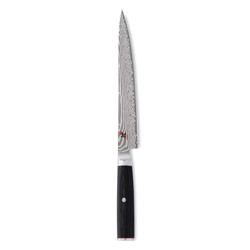
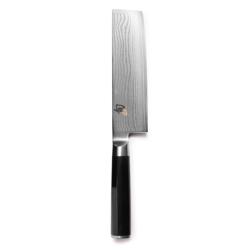
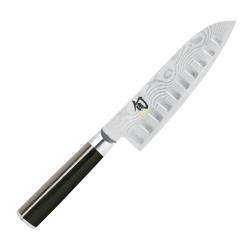
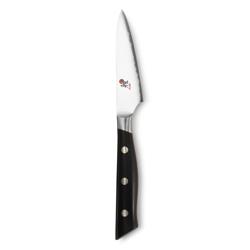
Traditional Japanese Knives
FAQ List
Traditional Japanese knives are known for their exceptional sharpness and craftsmanship. They are often made using centuries-old techniques and high-quality materials, resulting in blades that offer unparalleled precision and edge retention.
To maintain the longevity of your traditional Japanese knives, it is important to hand wash them with mild soap and warm water. Avoid using harsh abrasives or dishwashers, as they can damage the blade. Additionally, regular honing and occasional sharpening will help keep the knives in optimal condition.
Yes, many traditional Japanese knives are designed to be ambidextrous, making them suitable for both right-handed and left-handed individuals. However, it's always a good idea to check the product description or consult with our customer service team to ensure the specific knife you're interested in is suitable for left-handed use.
Absolutely! Traditional Japanese knives are versatile and can be used for various tasks in the kitchen, including cutting meat and poultry. The sharpness and precision of these knives make them ideal for achieving clean and precise cuts.
While professional sharpening is an option, it is not always necessary for traditional Japanese knives. With proper care and maintenance, regular honing and occasional sharpening at home can help keep the blades sharp. However, if you prefer professional sharpening, it is always best to seek the assistance of a reputable knife sharpening service.



-
"I love this product best knife I've ever used great quality . It's a art piece more then anything"
-
"This is hands down the best paring knife I?ve used for this amazing value, VERY HIGHLY recommend"
-
"Handle finally cracked but the best warranty ever came through with an exact replacement"
-
"Love this knife, so sharp and great handle, cuts great"
-
"Miyabi makes wonder and durable Japanese knives, definitely one of the best chef knives on the market"