-
(26)
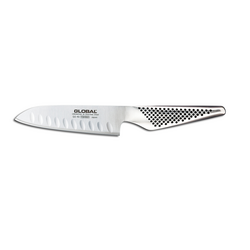
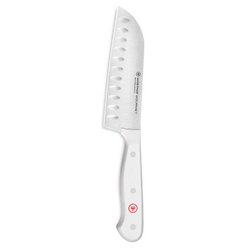
A 5" silver santoku knife with a lightweight design, razor-sharp blade, and user-friendly handle for precise slicing.
Pros: size, sharpness, perfect size
-
(124)
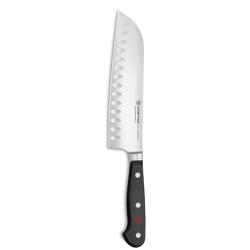
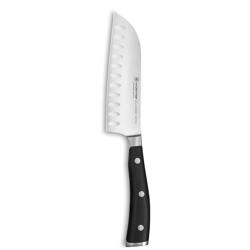
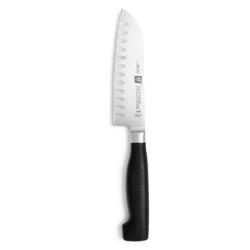
A 5" black santoku knife with a unique forged double-bolster design, ergonomic handle, and high-carbon stainless steel blade.
Pros: sharpness, versatility, quality
-
(125)
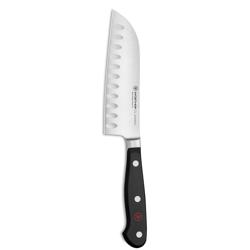
A 5" black santoku knife made from high-carbon steel, featuring a hollow-edge blade for precise chopping and slicing.
Pros: usefulness, balance, sharpness
-
(109)
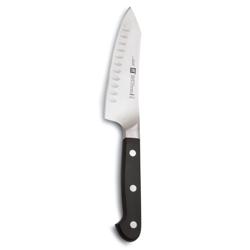
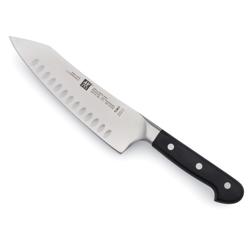
A 5" Zwilling Pro Rocking Santoku knife with a black handle, precision-forged blade, and ergonomic design.
Pros: sharpness, balance, comfortable grip
-
(98)
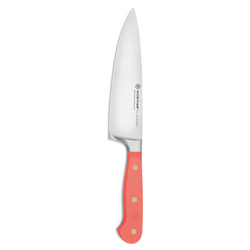
A 5" Santoku knife with ice-hardened stainless steel blade and colorfast polypropylene handle.
Pros: durable, sharpness, lightweight
-
(114)
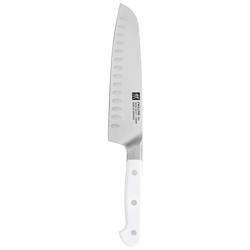
A 5" hollow-edge santoku knife made of high-carbon stainless steel for precise cutting and reduced sticking.
Pros: sharpness, durability, lightweight
-
(10)
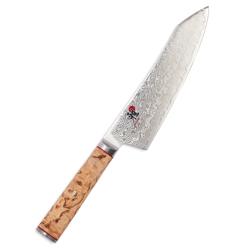
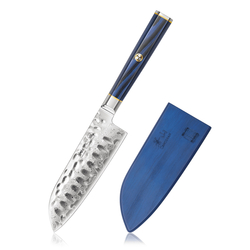
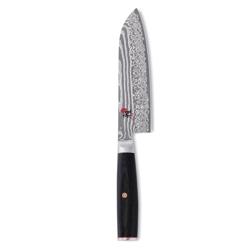
A handcrafted 5" Santoku knife with a blue Damascus steel blade and faux-wood-grain handle.
Pros: sharpness, quality, versatility
-
(46)
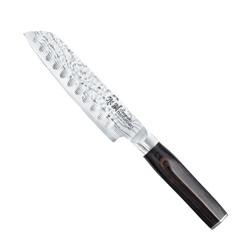
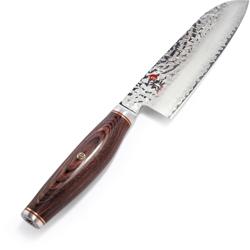
A versatile santoku knife featuring a hammered stainless steel blade and dark walnut pakkawood handle for precise prep.
Pros: appearance, sharpness, comfortable grip
-
(7)
A sharp and durable tan santoku knife, perfect for cutting vegetables, thin-boned meats, and fish.
Pros: sharpness, ease of use, ease of food prepping
5 Inch Santoku Knives
When it comes to versatile and efficient cutting in the kitchen, 5-inch santoku knives are a must-have tool for any home cook or professional chef. With their unique design and sharp, precision blades, these knives excel at slicing, dicing, and chopping a wide variety of ingredients. Whether you're preparing a delicate sushi roll or tackling tough root vegetables, a 5-inch santoku knife is the perfect companion to help you achieve precise and effortless cuts every time. Find the perfect santoku knife for your culinary adventures right here at Sur La Table.

5 Inch Santoku Knives
FAQ List
Santoku knives are known for their versatility and efficiency in slicing, dicing, and chopping. They offer precise cuts and are suitable for a wide range of ingredients, making them a valuable tool in the kitchen.
To maintain the performance and longevity of your Santoku knife, it's important to hand wash it with warm soapy water and dry it immediately. Avoid using abrasive cleaners or scrubbers that can damage the blade. Regular honing and occasional sharpening will also help keep the knife in optimal condition.
While Santoku knives are primarily designed for slicing and dicing fruits, vegetables, and boneless meats, they may not be the best choice for cutting through bones or tougher cuts of meat. For those tasks, a heavier and sturdier knife like a chef's knife or cleaver would be more suitable.
Yes, many Santoku knives are designed with ambidextrous handles, making them suitable for both right-handed and left-handed individuals. However, it's always a good idea to check the product description or specifications to ensure that the knife is suitable for your specific needs.
The frequency of sharpening depends on how often you use your Santoku knife and the type of cutting board you use. Generally, Santoku knives require sharpening every few months with regular honing in between. However, it's important to monitor the sharpness of the blade and sharpen as needed to maintain optimal performance.

-
"Completing the set because it's the best knife. Great for everything and anything"
-
"These are absolutely the best quality knives I have ever owned the Rosemary Green handles the best"
-
"This is probably the best looking and best cutting knife I?ve ever owned"
-
"Love this knife. Use it for absolutely everything when cooking. Great grip and not too heavy"
-
"Love love love these knives They have become my go-to gift"