-
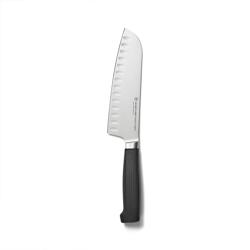
(125)
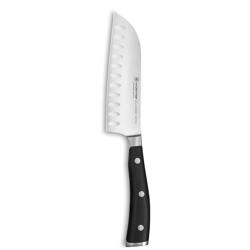
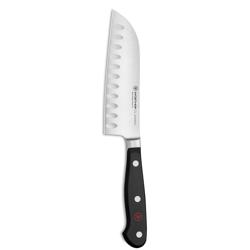
A 5" black santoku knife made from high-carbon steel, featuring a hollow-edge blade for precise chopping and slicing.
Pros: usefulness, balance, sharpness
-
(124)
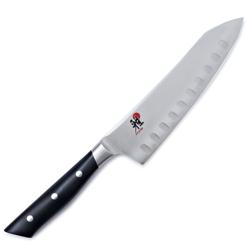
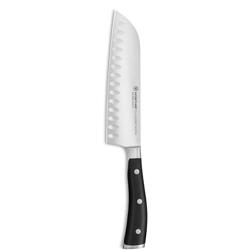
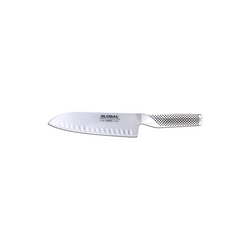
A 7" santoku knife with a unique forged double-bolster design, ergonomic handle, and high-carbon stainless steel blade.
Pros: sharpness, versatility, quality
-
(114)
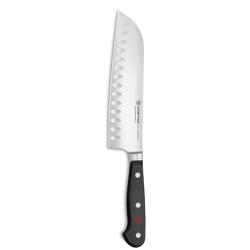
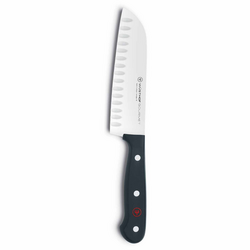
A 5" hollow-edge santoku knife made from high-carbon stainless steel for precise cutting and reduced sticking.
Pros: sharpness, durability, lightweight
-
(3)
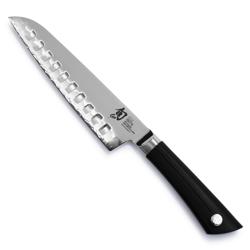
A 7" hollow-edge Santoku knife with a composite blade for precise slicing, dicing, and mincing.
Pros: love, versatility, ease of chopping
-
(36)
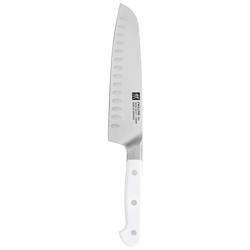
A high-quality, white santoku knife with a hollow edge and curved bolster for precise, fatigue-free cutting.
Pros: sharpness, balance, versatility
-
(23)
A 7" silver santoku knife with a lightweight design, razor-sharp blade, and user-friendly handle for precise slicing.
Pros: sharpness, lightweight, balance
-
(26)
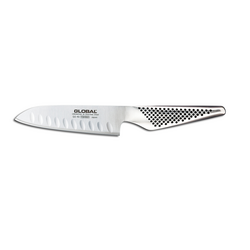
A 5" silver santoku knife with a lightweight design, razor-sharp blade, and user-friendly handle for precise slicing.
Pros: size, sharpness, perfect size
-
(2)
A versatile and high-performance Asian-style chef's knife with a rustic, heritage handle made of tagayasan wood.
Pros: perfect size, made in japan, wood handle
-
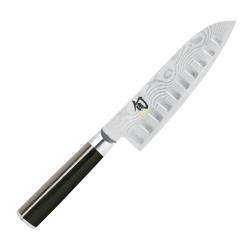
(30)
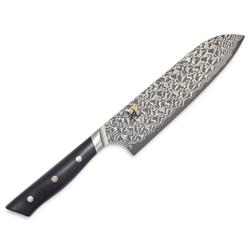
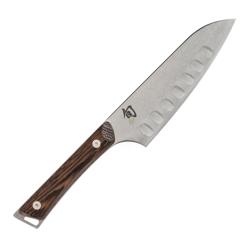
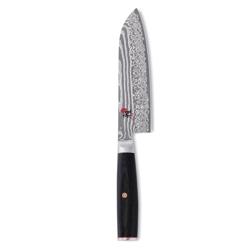
A 7" black Santoku knife with a Damascus-clad blade, D-shaped ebony pakkawood handle, and VG-MAX super steel core.
Pros: sharpness, quality, durable
-
(5)
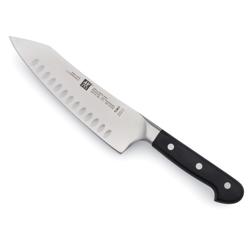
A forged stainless steel santoku knife with a black ergonomic handle and hollow-edge blade for easy slicing.
Pros: quality, fast delivery, complements existing set
-
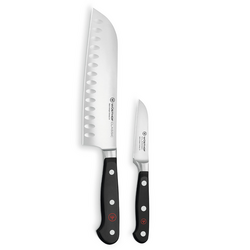
(11)
A Wüsthof knife set with a 7" hollow-edge Santoku and 3" flat cut paring knife for precise cutting and chopping.
Pros: quality, comfortable handle size, balanced blade
-
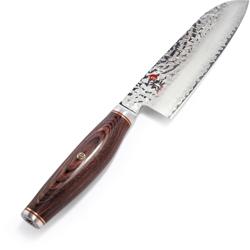
(126)
A 7" santoku knife with a micro-carbide SG2 core for exceptional performance and a beautiful cocobolo-rosewood handle.
Pros: sharpness, comfortable handle, edge retention
Hollow Edge Santoku Knives
Hollow-edge Santoku knives are an essential tool for almost any kitchen enthusiast. With their unique design, these knives offer numerous advantages that make them a must-have in every home. The hollow edge creates air pockets between the blade and the food, preventing it from sticking and ensuring precise cuts every time. Additionally, the hollow edge allows for faster and smoother cutting. Investing in a hollow-edge Santoku knives will undoubtedly elevate your cooking experience and bring out your inner chef.
Hollow Edge Santoku Knives
FAQ List
The main difference is the presence of small indentations along the blade of a hollow edge Santoku knife, which create air pockets. These air pockets help prevent food from sticking to the blade, making it easier to slice and chop ingredients.
Absolutely! A hollow edge Santoku knife is incredibly versatile and can be used for a wide range of cutting tasks, including slicing, dicing, and chopping various ingredients. Its sharp and precise blade makes it a go-to tool in the kitchen.
Not at all! While some experience with knife handling is always beneficial, a hollow edge Santoku knife is designed to be user-friendly. Its balanced weight and comfortable grip make it easy to control, even for beginners.
To ensure the longevity of your hollow edge Santoku knife, it's important to hand wash it with mild soap and warm water, then dry it thoroughly. Avoid using abrasive materials or harsh detergents that can damage the blade. Regular honing and occasional professional sharpening will also help maintain its sharpness.
While a hollow edge Santoku knife can be used on various cutting surfaces, such as wood, plastic, or bamboo, it is best to avoid cutting on hard surfaces like glass or ceramic, as they can dull the blade. Always use a cutting board to protect both the knife and the surface you're working on.

-
"The best knives I've ever used. Precision at best"
-
"It is a great chef knife, the slightly shorter length makes it easy to maneuver and you get a great control"
-
"These are absolutely the best quality knives I have ever owned the Rosemary Green handles the best"
-
"Great balance and comfort and the damascus pattern is really attractive Ive had a number of friends"
-
"Best. Kitchen. Assistant"