-
(39)
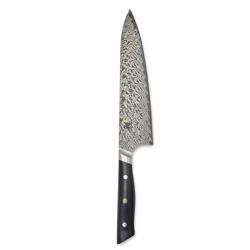
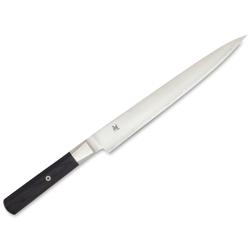
A 9.5" black slicer made from FC61 super steel and stainless steel Damascus for precise cutting.
Pros: sharpness, comfortable handle, balance
-
(21)
A slender, straight-blade slicer made from FC61 stainless steel for precise, even cuts.
Pros: comfortable handle, sharpness, durable
-
(3)
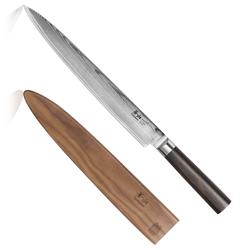
A long and narrow slicer knife with a hand-sharpened, stain-resistant Japanese steel blade and African Blackwood handle.
Pros: sharpness, complete set, easy to handle
-
(190)
A versatile rocking santoku knife with a curved blade for efficient cutting, featuring a cocobolo-rosewood handle.
Pros: sharpness, durable, weight
-
(118)
A 7" santoku knife with a micro-carbide SG2 core for exceptional performance and a beautiful cocobolo-rosewood handle.
Pros: sharpness, comfortable handle, edge retention
-
(73)
A handmade chef's knife with a SG2 core, katana edge, and distinctive Cocobolo Pakkawood handle.
Pros: sharpness, balance, durable
-
(62)
A handcrafted paring knife with a 3.5" stainless steel blade, designed by Bob Kramer.
Pros: sharpness, durability, comfortable handle
-
(38)
A handmade, razor-sharp nakiri knife for precise chopping, slicing, and mincing of fruits and vegetables.
Pros: sharpness, quality, efficiency
-
(12)
A versatile Japanese knife with a sleek design, hand-sharpened blade, and durable stainless steel construction.
Pros: sharpness, balance, design
-
(11)
A flexible boning knife with a sleek design, perfect balance, and comfortable handle for precise meat separation.
Pros: sharpness, flexibility, balance
-
(10)
A razor-sharp, stainless steel paring knife with a sleek design and durable construction.
Pros: easy to use, effective for strawberries and dark spots, efficiency
-
(10)
A high-performance Japanese-style vegetable cleaver with a razor-sharp edge, balanced construction, and rustic tagayasan wood handle.
Pros: lightweight, comfortable, sharpness
-
(7)
A sharp and durable black santoku knife made of stainless steel, perfect for cutting vegetables and thin-boned meats.
Pros: sharpness, ease of use, ease of food prepping
-
(2)
A nimble, high-performance knife with a razor-sharp edge, full-tang construction, and a beautiful tagayasan wood handle.
Pros: awesome, very sharp, easy to maneuver
-
(765)
A hand-sharpened, black chef's knife made with FC61 super steel and pakkawood handles.
Pros: sharpness, lightweight, balance
-
(139)
A 7-piece knife block set with an industry-leading SG2 core, legendary katana edge, and distinctive cocobolo pakkawood handle.
Pros: sharpness, beautiful design, craftsmanship
-
(120)
A 7-piece knife set with a delicate Damascus pattern, hand-honed blades, and a genuine hamon edge.
Pros: sharpness, durability, quality
-
(96)
A versatile 5.5" prep knife with a textured finish, cocobolo-rosewood handle, and exceptional cutting performance.
Pros: sharpness, comfort, versatility
-
(13)
A versatile chef's knife with impeccable Japanese craftsmanship, a composite blade, and a comfortable grip.
Pros: quality, sharpness, high quality
-
(12)
A lightweight, razor-sharp vegetable knife that effortlessly dices, minces, and chops vegetables with precision.
Pros: versatility, excellent quality, balanced
-
(4)
A 9" slicing knife with a Damascus-clad blade, D-shaped ebony pakkawood handle, and razor-sharp precision performance.
Pros: amazing, ease of use, excellent slicing
-
(4)
A 6" utility knife with a composite blade for precise cutting, comfortable grip, and easy maintenance.
Pros: sharp blade, small size, easy to handle
-
(2)
A versatile and high-performance Asian-style chef's knife with a rustic, heritage handle made of tagayasan wood.
Pros: appearance, form, excellent
-
(1)
A handcrafted Japanese knife set with five essential knives and tools, all in an attractive bamboo block.
Pros: appearance, balance, ease of cutting
Sashimi Knives
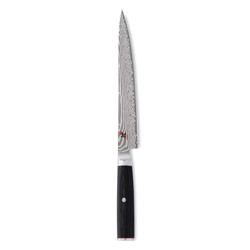
When it comes to preparing delicate slices of fresh fish or creating stunning sashimi presentations, having the right tools is essential. Crafted with precision and designed for ultimate performance, these knives are a must-have for almost any sushi enthusiast or professional chef. From the razor-sharp blades to the ergonomic handles, each knife in our selection is thoughtfully crafted to deliver unparalleled precision and control.

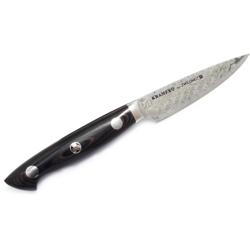
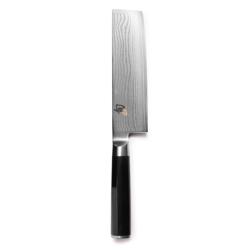
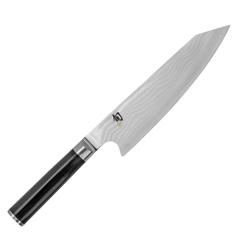
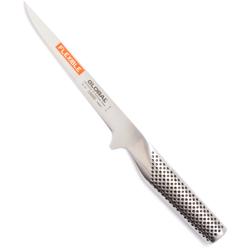
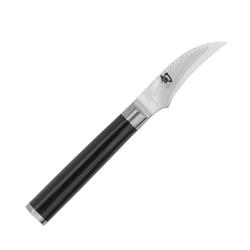

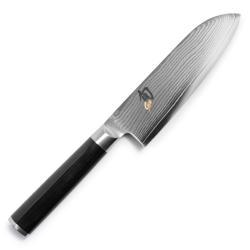
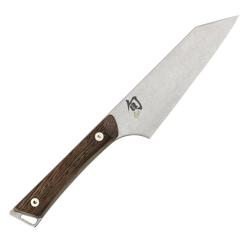

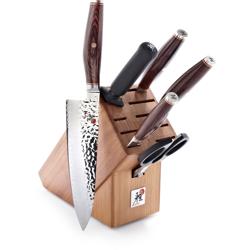
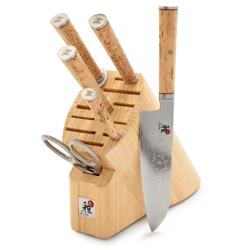
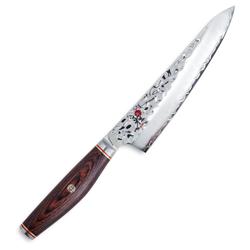
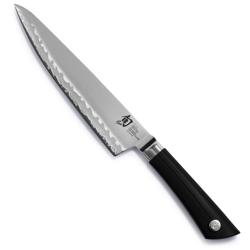


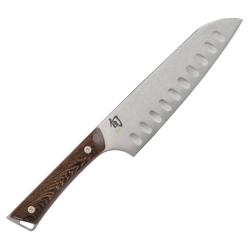

Sashimi Knives
FAQ List
While both knives can be used for slicing, a sashimi knife is specifically designed for cutting raw fish with precision. It has a long, thin blade that allows for delicate, paper-thin slices, whereas a regular chef's knife has a broader blade that is more versatile for a variety of kitchen tasks.
Using a sashimi knife requires some practice and technique, especially when it comes to slicing raw fish. However, with proper guidance and practice, anyone can learn to use a sashimi knife effectively. It's important to follow safety guidelines and maintain a steady hand while slicing to achieve the best results.
To ensure the longevity of your sashimi knives, it's important to handle and store them properly. After each use, make sure to wash the knives by hand with mild soap and warm water, then dry them thoroughly. Avoid using abrasive materials or dishwashers, as they can damage the blade. Additionally, it's recommended to regularly sharpen the blade using a whetstone or honing rod to maintain its sharpness.
While sashimi knives are primarily designed for slicing raw fish, they can also be used for other delicate ingredients like vegetables and fruits. Their sharp and precise blades make them versatile tools in the kitchen. However, it's important to note that sashimi knives are not suitable for heavy-duty tasks like cutting through bones or frozen foods.
Yes, there are sashimi knives available that are specifically designed for left-handed individuals. These knives have a symmetrical blade and handle, allowing for comfortable and efficient use by left-handed users. When browsing for sashimi knives, be sure to check for left-handed options if needed.


-
"I love they style and the brand. The knife is very sharp and easy to handle"
-
"This is the best knife Ive ever owned - and I love Japanese knives! Its also quite beautiful"
-
"We love the variety, and the bread knife is just the cherry on top"
-
"Just the best! Love the new design"
-
"This is the best knife in our kitchen. I love the weight and it slices right through vegetables"