-
(39)
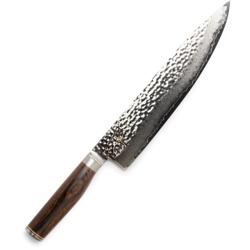
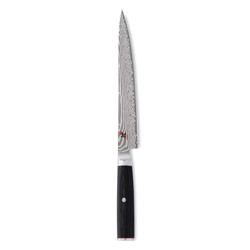
A 9.5" black slicer made from FC61 super steel and stainless steel Damascus for precise cutting.
Pros: sharpness, comfortable handle, balance
-
(21)
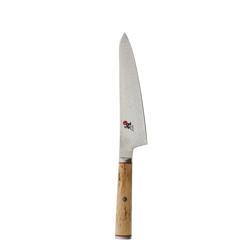
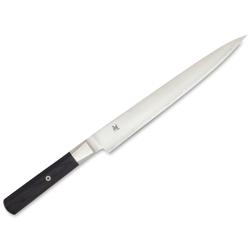
A slender, straight-blade slicer made from FC61 stainless steel for precise, even cuts.
Pros: comfortable handle, sharpness, durable
-
(3)
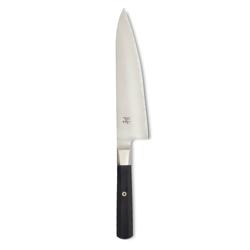
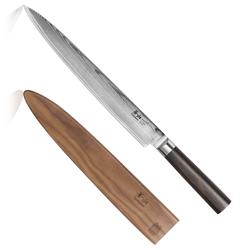
A long and narrow slicer knife with a hand-sharpened, stain-resistant Japanese steel blade and African Blackwood handle.
Pros: sharpness, complete set, easy to handle
-
(51)
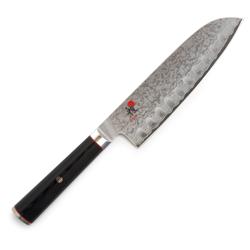
A 7" Santoku knife with a vg10 "super steel" core and a Damascus pattern for superior strength and edge retention.
Pros: sharpness, durability, sharp blade
-
(12)
A versatile Japanese knife with a sleek design, hand-sharpened blade, and durable stainless steel construction.
Pros: sharpness, balance, design
-
(10)
A razor-sharp, stainless steel paring knife with a sleek design and durable construction.
Pros: easy to use, effective for strawberries and dark spots, efficiency
-
(10)
A high-performance Japanese-style vegetable cleaver with a razor-sharp edge, balanced construction, and rustic tagayasan wood handle.
Pros: lightweight, comfortable, sharpness
-
(5)
A serrated utility knife with a combination of serrated and fine edges for perfect slicing.
Pros: smooth cutting, ease of use, balance
-
(2)
A nimble, high-performance knife with a razor-sharp edge, full-tang construction, and a beautiful tagayasan wood handle.
Pros: awesome, very sharp, easy to maneuver
-
(2)
A light and maneuverable Santoku knife with a 5.5-inch blade for basic cutting tasks.
Pros: secure grip, comfortable, cuts effortlessly
-
(1)
A handcrafted slicing knife with a razor-sharp edge, featuring a beautiful Damascus stainless steel design.
Pros: great blade, sharpness, thin blade
-
(765)
A hand-sharpened, black chef's knife made with FC61 super steel and pakkawood handles.
Pros: sharpness, lightweight, comfortable handle
-
(117)
A 7" Japanese-style vegetable cleaver with a Damascus patterned blade and comfortable Masur birch handle.
Pros: sharpness, aesthetic, balance
-
(50)
A 7" Nakiri knife with a 101-layer blade, cryogenically hardened for durability, and hand-finished in Japan.
Pros: sharpness, balance, ease of use
-
(45)
A 6.5" Japanese-style vegetable cleaver with a faceted pakkawood handle and FC61 stainless steel blade.
Pros: sharpness, lightweight, versatility
-
(44)
A versatile 5.5" santoku knife with a black pakkawood handle, forged from FC61 stainless steel.
Pros: sharpness, lightweight, comfortable handle
-
(39)
A traditional Japanese-style kiritsuke knife with a 9.5" blade, featuring 101 layers of steel and a comfortable birch handle.
Pros: sharpness, balance, beautiful
-
(35)
A 5.5" black prep knife with a pakkawood handle, forged from FC61 stainless steel for exceptional sharpness and durability.
Pros: sharpness, versatility, lightweight
-
(19)
A razor-sharp, Damascus-clad fillet knife with a D-shaped ebony handle, perfect for separating meat from bone.
Pros: sharpness, quality, balance
-
(17)
A handcrafted 7" santoku knife with a VG-MAX super steel core and Damascus stainless steel layers.
Pros: sharpness, functional, versatility
-
(12)
A lightweight, razor-sharp vegetable knife that effortlessly dices, minces, and chops vegetables with precision.
Pros: versatility, excellent quality, balanced
-
(6)
A 10" slicing knife made from durable SG2 steel, perfect for carving meats and fish.
Pros: sharpness, balance, amazing knife
-
(4)
A 9" slicing knife with a Damascus-clad blade, D-shaped ebony pakkawood handle, and razor-sharp precision performance.
Pros: amazing, ease of use, excellent slicing
-
(2)
A versatile and high-performance Asian-style chef's knife with a rustic, heritage handle made of tagayasan wood.
Pros: appearance, form, excellent
Sashimi Knives
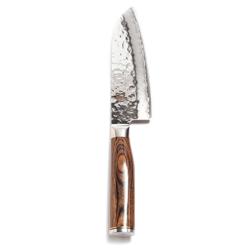
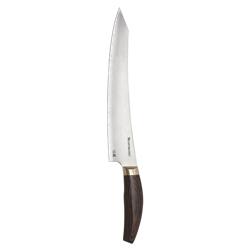
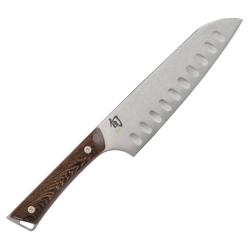
When it comes to preparing delicate slices of fresh fish or creating stunning sashimi presentations, having the right tools is essential. Crafted with precision and designed for ultimate performance, these knives are a must-have for almost any sushi enthusiast or professional chef. From the razor-sharp blades to the ergonomic handles, each knife in our selection is thoughtfully crafted to deliver unparalleled precision and control.
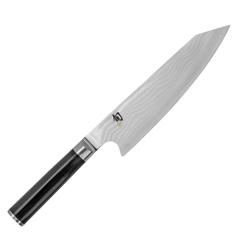
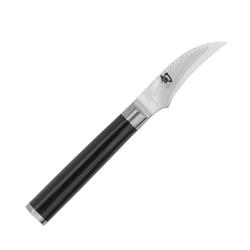

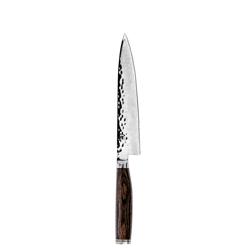
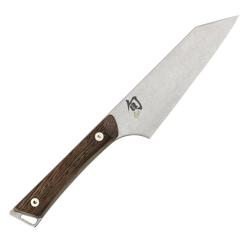


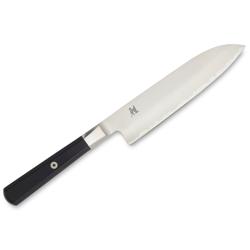
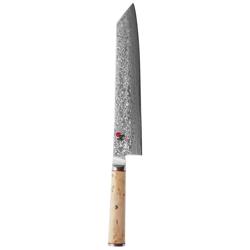
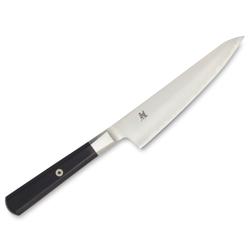
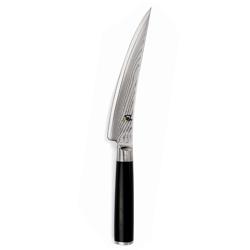


Sashimi Knives
FAQ List
While both knives can be used for slicing, a sashimi knife is specifically designed for cutting raw fish with precision. It has a long, thin blade that allows for delicate, paper-thin slices, whereas a regular chef's knife has a broader blade that is more versatile for a variety of kitchen tasks.
Using a sashimi knife requires some practice and technique, especially when it comes to slicing raw fish. However, with proper guidance and practice, anyone can learn to use a sashimi knife effectively. It's important to follow safety guidelines and maintain a steady hand while slicing to achieve the best results.
To ensure the longevity of your sashimi knives, it's important to handle and store them properly. After each use, make sure to wash the knives by hand with mild soap and warm water, then dry them thoroughly. Avoid using abrasive materials or dishwashers, as they can damage the blade. Additionally, it's recommended to regularly sharpen the blade using a whetstone or honing rod to maintain its sharpness.
While sashimi knives are primarily designed for slicing raw fish, they can also be used for other delicate ingredients like vegetables and fruits. Their sharp and precise blades make them versatile tools in the kitchen. However, it's important to note that sashimi knives are not suitable for heavy-duty tasks like cutting through bones or frozen foods.
Yes, there are sashimi knives available that are specifically designed for left-handed individuals. These knives have a symmetrical blade and handle, allowing for comfortable and efficient use by left-handed users. When browsing for sashimi knives, be sure to check for left-handed options if needed.

-
"This is the best and sharpest knife I own. I have an exceptional selection of knives - including J"
-
"This is a great size blade if you want a smaller knife but still be able to slice and chop food on a"
-
"s the best, also first, knife I have ever purchased and it was definitely worth it"
-
"Ergonomically satisfying and cuts great with veggies"
-
"s great for any kind of project in the kitchen but my favorite is using it for thinly slicing anything"