-
(755)
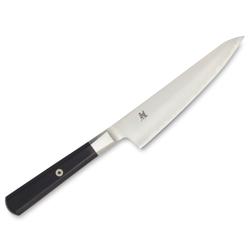
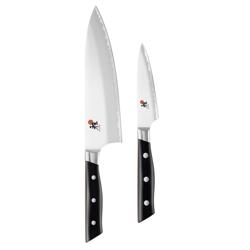
A hand-sharpened, black chef's knife made with FC61 super steel and pakkawood handles.
Pros: sharpness, lightweight, comfortable handle
-
(310)
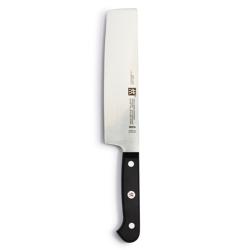
A lightweight, precision-stamped knife with a unique flat cutting edge for versatile vegetable preparation.
Pros: quality, sharpness, balance
-
(192)
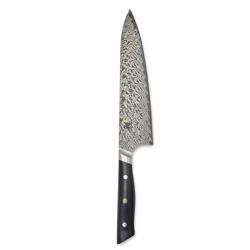
A stunning 8" chef's knife with a 49-layer Damascus pattern, triple-riveted handle, and ergonomic bolster.
Pros: sharpness, comfortable handle, edge retention
-
(118)
A versatile santoku knife with a micro-carbide SG2 core for exceptional performance and a beautiful cocobolo-rosewood handle.
Pros: sharpness, comfortable handle, edge retention
-
(90)
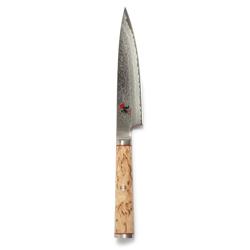
A 5" utility knife with a 101-layer steel construction, D-shaped birch handle, and razor-sharp blade.
Pros: sharpness, comfortable handle, balance
-
(88)
A 5.25" Miyabi Kaizen II prep knife with FC61 super steel and pakkawood handle for precise cutting.
Pros: sharpness, versatility, comfortable handle
-
(73)
A handmade chef's knife with a SG2 core, katana edge, and distinctive Cocobolo Pakkawood handle.
Pros: sharpness, balance, durable
-
(63)
A powerful and versatile chef's knife with a Damascus-clad blade, D-shaped ebony handle, and razor-sharp precision.
Pros: sharpness, durability, balance
-
(58)
A 6.5" black Japanese-style vegetable cleaver with a razor-sharp edge, ergonomic handle, and precision balance.
Pros: sharpness, balance, comfortable handle
-
(54)
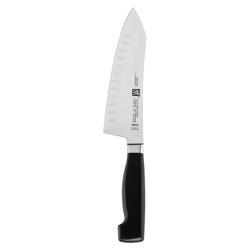
A 7" Japanese-style knife with a flat cutting edge, hollow-ground blade, and ergonomic handle.
Pros: efficiency, versatility, feel
-
(51)
A stunning black santoku knife with a 49-layer Damascus pattern blade and ergonomic handle.
Pros: sharpness, versatility, appearance
-
(50)
A 7" Nakiri knife with a 101-layer blade, cryogenically hardened for durability, and hand-finished in Japan.
Pros: sharpness, balance, ease of use
-
(42)
A 5.5" Miyabi Birchwood prep knife with a Damascus pattern, Rockwell hardness of 63, and Masur birch handle.
Pros: sharpness, durable, versatility
-
(40)
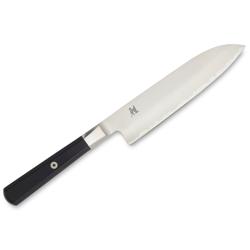
A revolutionary black santoku knife with exceptional steel, ergonomic handle, and precision balance.
Pros: sharpness, comfortable handle, durability
-
(33)
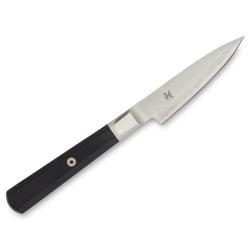
A nimble paring knife with a faceted pakkawood handle, hand-honed to a sharp 9.5-12 degrees.
Pros: sharpness, comfortable handle, sharp blade
-
(32)
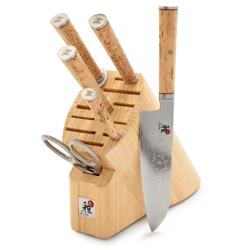
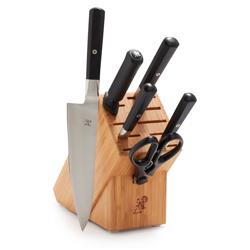
A seven-piece knife set with sandblasted katana edges, pakkawood handles, and a bamboo block.
Pros: sharpness, lightweight, quality
-
(31)
A 4.5" black utility knife made from FC61 super steel and stainless steel Damascus for exceptional performance.
Pros: sharpness, durable, comfortable handle
-
(30)
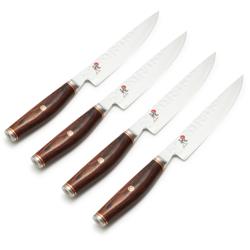
A set of four exquisite steak knives with a razor-sharp katana edge and distinctive Cocobolo Pakkawood handles.
Pros: sharpness, beautiful design, comfortable handle
-
(26)
A 6.5" Nakiri knife with a 49-layer Damascus pattern and ergonomic triple-riveted handle for precision cutting.
Pros: sharpness, beautiful design, feel
-
(23)
A 5" silver santoku knife with a lightweight design, razor-sharp blade, and user-friendly handle for precise slicing.
Pros: size, sharpness, perfect size
-
(96)
A professional knife sharpener with 3-stage sharpening process and flexible stropping discs for ultra-sharp edges.
Pros: effectiveness, ease of use, sharpness
-
(93)
A versatile, high-quality santoku knife with an angled bolster for enhanced precision and comfort.
Pros: sharpness, versatility, durable
-
(62)
A handcrafted paring knife with a 3.5" stainless steel blade, designed by Bob Kramer.
Pros: sharpness, durability, quality
-
(45)
A sleek, versatile 6" serrated utility knife with a lightweight design and ergonomic handle for comfortable slicing.
Pros: versatility, sharpness, reliable
Japanese Knives
Unlock the precision and elegance of Japanese knives, renowned for their exceptional craftsmanship and cutting-edge performance. These knives are crafted with traditional Japanese techniques and high-quality materials and offer unparalleled sharpness and durability. Experience effortless precision and control as you slice through ingredients with ease. Elevate your culinary skills with the artistry and precision of Japanese knives, the epitome of culinary excellence.



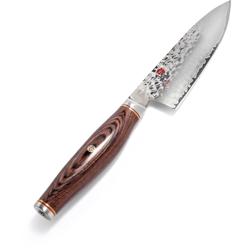
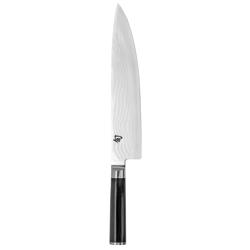
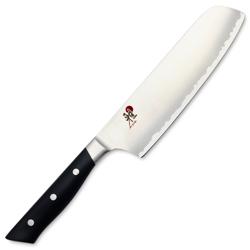
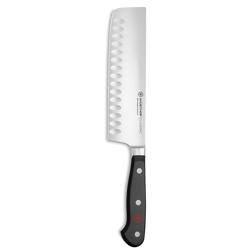
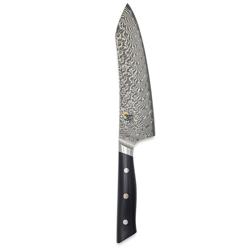
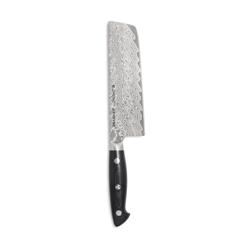
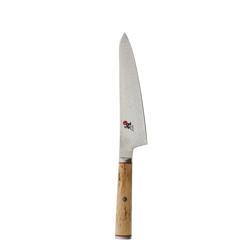
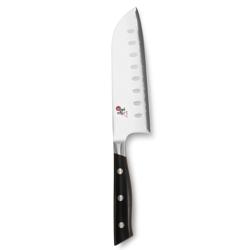
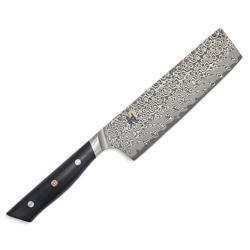
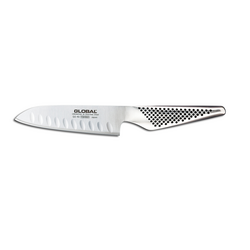

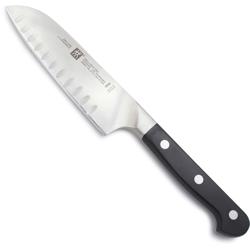
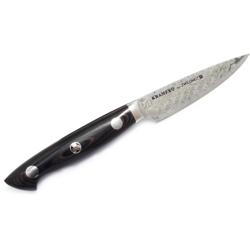

Japanese Knives
FAQ List
Japanese knives are typically lighter and sharper than Western knives. They are also often made from harder steel, which allows them to hold a sharper edge for longer.
A Santoku knife is a great choice for beginners. It is a versatile knife that can be used for a variety of tasks, including slicing, chopping, and dicing.
Japanese knives should be hand washed and dried immediately after use. They should also be stored in a knife block or sheath to protect the blade. It's important to keep the blade sharp by using a honing rod or sharpening stone regularly.
Japanese knives can be more expensive than Western knives, but this is often due to the high-quality materials and craftsmanship that goes into making them. However, there are also affordable options available for those on a budget.
No, Japanese knives are not designed to cut through bone. Doing so can damage the blade and potentially cause injury. It's important to use a specialized bone saw or cleaver for this task.

-
"have 3 houses and have been using these knifes for our 2 locations for about 5 years and they are the best"
-
"Would recommend to anyone looking for great knife that combines best of santoku and rocking knives"
-
"s the best, also first, knife I have ever purchased and it was definitely worth it"
-
"Best knives I've ever owned! Very sharp and incredible quality"
-
"Great set very sharp"