-
(23)
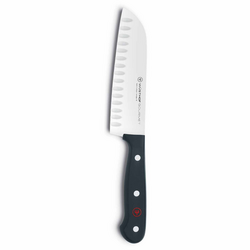
A 7" silver santoku knife with a lightweight design, razor-sharp blade, and user-friendly handle for precise slicing.
Pros: sharpness, lightweight, balance
-
(21)
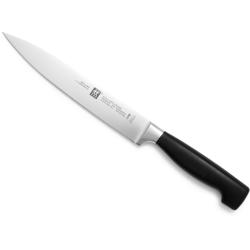
A precision-forged, ice-hardened stainless steel carving knife with a black polypropylene handle.
Pros: sharpness, durability, comfortable handle
-
(791)
A hand-sharpened, black chef's knife made with FC61 super steel and pakkawood handles.
Pros: sharpness, lightweight, comfortable handle
-
(92)
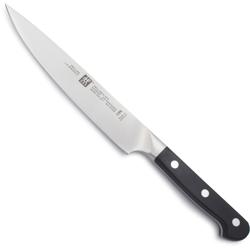
A 8" slicing knife with an angled bolster for enhanced precision, safety, and comfort. Made in Germany.
Pros: sharpness, durability, comfortable grip
-
(90)
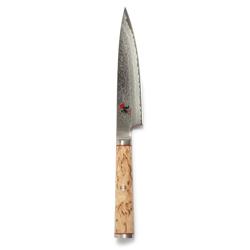
A 5" utility knife with a 101-layer steel construction, D-shaped birch handle, and razor-sharp blade.
Pros: sharpness, comfortable handle, balance
-
(46)
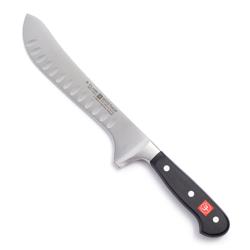
A curved-blade butcher knife with a hollow edge for easy carving and slicing, made from high-carbon steel.
Pros: sharpness, balance, versatility
-
(179)
A 7" black fillet knife made from high-carbon German stainless steel with an angled bolster for enhanced precision and comfort.
Pros: sharpness, flexibility, durability
-
(114)
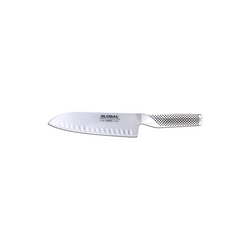
A 5" hollow-edge santoku knife made from high-carbon stainless steel for precise cutting and reduced sticking.
Pros: sharpness, durability, lightweight
-
(28)
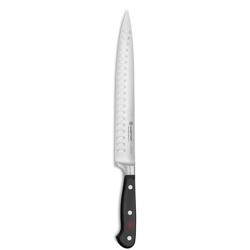
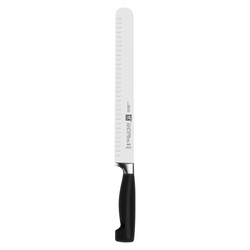
A 9" fully forged Wusthof Classic PEtec Hollow-Edge Slicer with a black handle, made in Germany.
Pros: sharpness, quality, customer service
-
(2)
A 9" carbon steel scallopped slicing knife with a comfortable handle made from Spanish hardwood shavings.
Pros: sharp blade, knife, comfortable handle
-
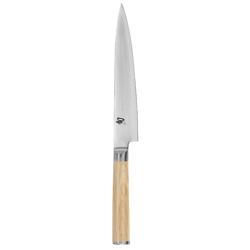
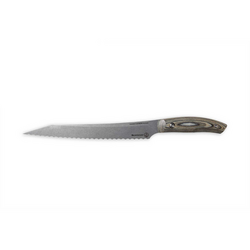
A tan stainless steel knife with a long, narrow blade for precise, effortless slicing.
-
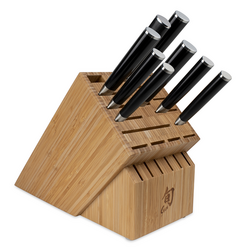
A 9-piece cutlery set with black handles and a bamboo block for versatile kitchen tasks.
-
A versatile utility knife with a hammered finish blade and a comfortable walnut pakkawood handle.
-
A 9" carbon steel slicing knife with a comfortable handle made from Spanish hardwood shavings.
-
A hand-hammered carbon steel slicer with a wide blade and black handle for effortless carving.
-
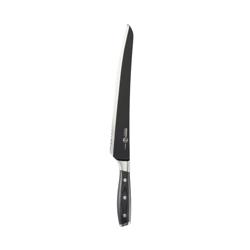
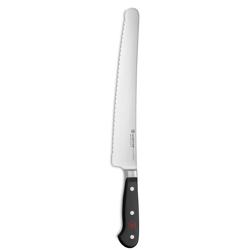
A high-carbon stainless steel slicer with a serrated edge and black polymer handle for precise, uniform cuts.
-
(64)
A durable, ice-hardened stainless steel knife with a hollow edge and ergonomic handle in silver.
Pros: sharpness, comfortable handle, clean cuts
-
(41)
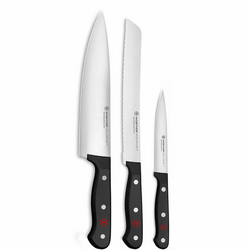
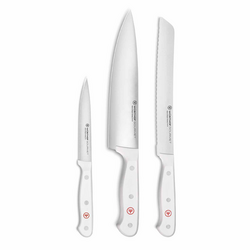
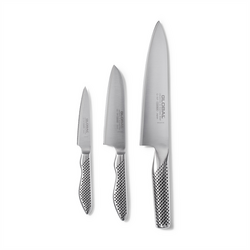
A 3-piece knife set with high-carbon stainless steel blades for chopping, slicing, dicing, and more.
Pros: sharpness, quality, durability
-
(23)
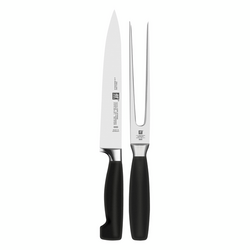
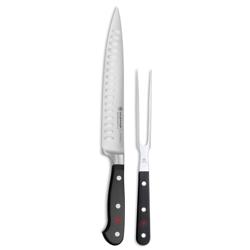
A durable 2-piece carving set with precision-honed steel blades and comfortable black polypropylene handles.
Pros: comfortable handle, quality, sharpness
-
(10)
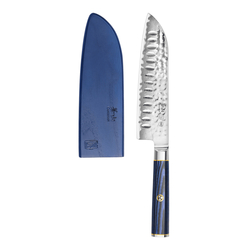
A handcrafted 7" Santoku knife with a sharp Damascus steel blade and a blue faux-wood handle.
Pros: quality, sharpness, versatility
-
(10)
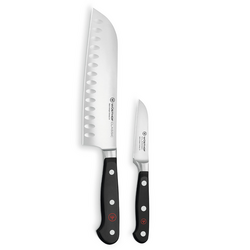
A Wüsthof knife set with a 7" hollow-edge Santoku and 3" flat cut paring knife for precise cutting and chopping.
Pros: quality, great quality, usefulness
-
(8)
A 3-piece knife set with durable steel blades and hygienic, balanced handles for precise and effortless cutting.
Pros: love, daily use, meets expectations
-
(2)
A 6" carbon steel utility knife with a gray handle made from Spanish hardwood shavings.
Pros: appearance, cuts well, handling
-
(1)
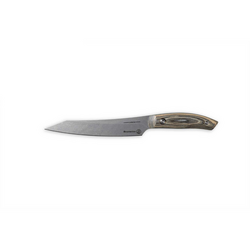
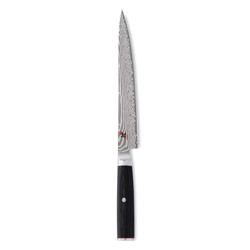
A tan stainless steel knife designed for precise meat and fish preparation with minimal drag.
Pros: very sharp, removes tendons and silver skin, easy deboning
Meat Slicing Knife
If you're looking to master the art of slicing meat like a pro, look no further than these meat-slicing knives. Designed with precision and durability in mind, these knives are perfect for effortlessly slicing through almost all types of meat. Whether you're carving a succulent roast or preparing thin slices of deli meat, these meat-slicing knives will ensure that every cut is clean, precise, and oh-so-satisfying.



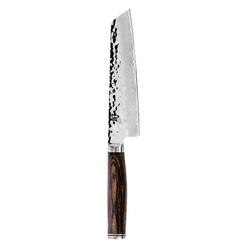
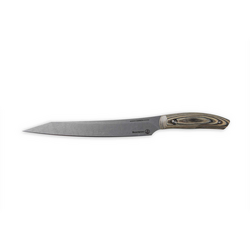
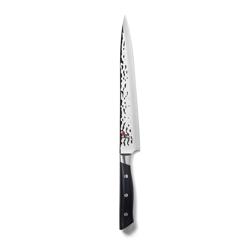
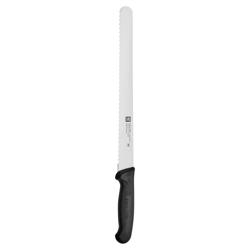

Meat Slicing Knife
FAQ List
A meat slicing knife typically has a longer, narrower blade that allows for precise and thin slices of meat. It is specifically designed for slicing through large cuts of meat, while a regular kitchen knife is more versatile and can be used for various tasks in the kitchen.
The frequency of sharpening your meat slicing knife depends on how often you use it. As a general guideline, it is recommended to sharpen your knife every few months or when you notice a decrease in its cutting performance. Regular honing with a honing steel can help maintain the sharpness in between sharpenings.
While a meat slicing knife is primarily designed for slicing meat, it can also be used for other tasks in the kitchen. Its long, narrow blade can be useful for slicing fruits, vegetables, and even bread. However, it is important to note that using a meat slicing knife for tasks like chopping or mincing may not be as efficient as using a knife specifically designed for those purposes.
While a special cutting board is not necessary, using a cutting board that is gentle on the knife's edge is recommended. Avoid cutting on hard surfaces like glass or ceramic as they can dull the blade. Opt for cutting boards made of wood or plastic, and consider using a cutting board with a groove to catch any juices that may run off during slicing.
To ensure the longevity of your meat slicing knife, it is important to clean and store it properly. Hand wash the knife with warm, soapy water immediately after use and dry it thoroughly. Avoid soaking the knife or putting it in the dishwasher as it can damage the blade. Store the knife in a knife block, sheath, or on a magnetic strip to protect the blade and prevent accidents.
-
"Fully the best and most beautiful knife I have used or owned"
-
"One of the best Knives I have ever owned"
-
"Best Slicer is the best I've ever used, I cannot believe how easily this knife cuts"
-
"Best butcher knife we've ever used. Makes clean, fast cuts with little effort"
-
"Love these knives, they're reasonable price and the best knives that I have ever used"