-
(52)
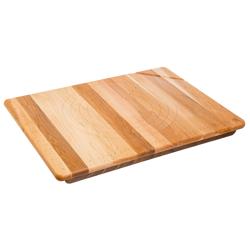
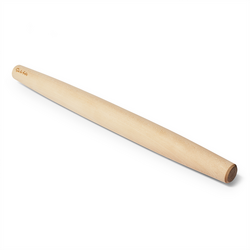
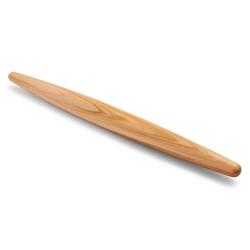
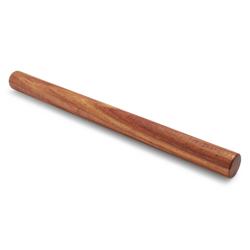
A lightweight and durable French tapered rolling pin made of smooth, scratch-resistant North American hardwood.
Pros: effective, beautiful, easy to clean
-
(47)
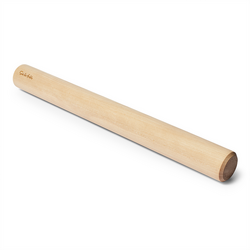
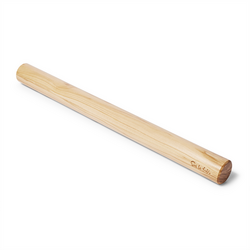
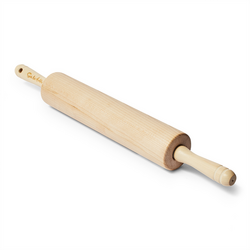
A durable maple rolling pin for artisan bakers and beginners, perfect for rolling out dough.
Pros: size, weight, made in usa
-
(11)
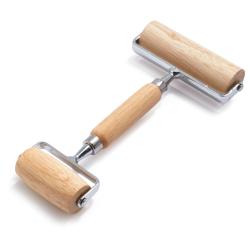
A tan pastry and pizza roller that effortlessly creates smooth dough for pies, cookies, and pizzas.
Pros: useful, effective, easy dough shaping
-
(11)
A tapered rolling pin in olivewood, perfect for beginners and professionals, with easy grip and release.
Pros: beautiful wood, feel, high quality
-
A durable olivewood rolling pin for rolling out doughs, resistant to odors and stains.
-
(2)
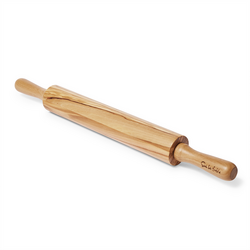
A durable olivewood rolling pin with handles for easy use, resistant to odor and stains.
Pros: improves baking skills, appropriate size
-
(5)
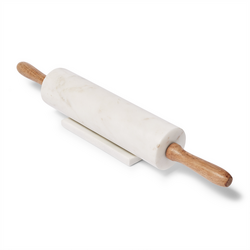
A white marble rolling pin with wooden handles for effortless and precise dough rolling.
Pros: weight, ease of use, easy to use
-
(4)
A tan hardwood rolling pin with steel axles, self-lubricating nylon bearings, lacquered handles, and waxed rollers.
Pros: well made, made in america, water repellent
-
(12)
A white silicone rolling bag with measurement markings for creating perfect, round pie crusts.
Pros: easy to use, ease of use, easy to clean
-
(9)
A wooden rolling pin with measurement markings for precise dough preparation in acacia wood.
Pros: good quality, love, big
-
(1)
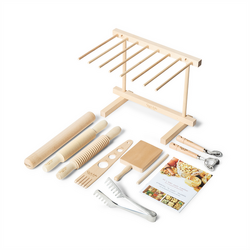
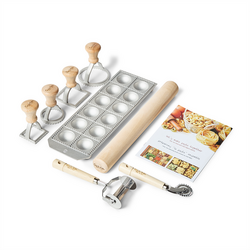
A comprehensive pasta making set with all the necessary tools and accessories for homemade noodles.
Pros: variety of tools, good recipe
-
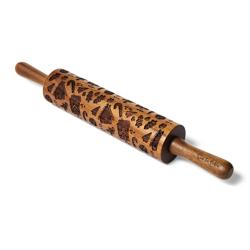
A festive brown wood rolling pin that adds charm and tradition to your holiday baking projects.
-
(14)
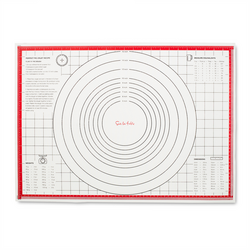
A durable, nonstick silicone pastry mat with measurements, conversion chart, and pie crust recipe printed on it.
Pros: easy to clean, versatility, non-stick
-
(14)
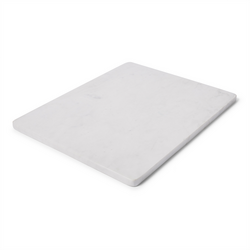
A white marble pastry board that provides a stable, cool surface for baking and confectionary.
Pros: usefulness, effectiveness, ease of rolling pastries and doughs
-
(6)
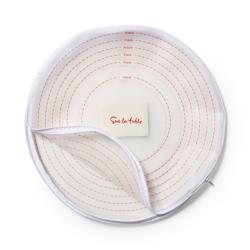
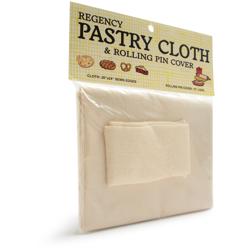
A white pastry cloth set that absorbs flour for light and flakey dough, includes rolling pin cover.
Pros: easy to use, sleeve works great, large size
-
(4)
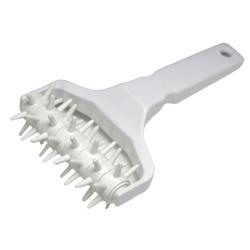
A 5" white dough prickler that eliminates air pockets and minimizes rising for tart, pie, and pizza dough.
Pros: works well, easy to use, good quality
-
(1)
A Create homemade ravioli and tortellini with traditional pasta-making tools in a convenient starter set.
Pros: efficiency, easy to disassemble and reassemble, time-saving
Rolling Pin For Dough
Rolling out dough can be a delightful and therapeutic experience, but it can quickly turn frustrating if you don't have the right tool for the job. That's why we've curated a collection of the best rolling pins for dough, designed to make your baking adventures easier and more enjoyable. Whether you're a seasoned baker or just starting out, these pins feature a variety of options to suit your needs. From traditional wooden rolling pins to sleek and modern designs, you'll find the perfect companion for all your dough-rolling endeavors.

Rolling Pin For Dough
FAQ List
A rolling pin can be used with a variety of dough types, including pastry dough, cookie dough, bread dough, and even pizza dough. The key is to adjust the pressure and technique based on the specific dough consistency and desired outcome.
Cleaning and maintaining your rolling pin is relatively simple. For wooden rolling pins, wipe them clean with a damp cloth and mild soap. Avoid soaking or immersing them in water to prevent warping. Stainless steel rolling pins can be cleaned with warm soapy water and dried thoroughly. It's also a good idea to periodically oil wooden rolling pins with food-grade mineral oil to keep them in optimal condition.
Absolutely! While a rolling pin is primarily designed for rolling out dough, it can also be used for other culinary tasks. For example, you can use a rolling pin to crush cookies or crackers for pie crusts or to flatten chicken breasts for even cooking. It can also be handy for crushing spices or nuts, or even as a makeshift meat tenderizer.
Rolling pins with handles offer several advantages. The handles provide a comfortable grip, allowing for better control and pressure distribution. This can make the rolling process easier and more efficient, reducing strain on your hands and wrists. Handles also help to keep your hands away from the dough, minimizing the risk of overworking or warming it.
While using a rolling pin is fairly straightforward, there are a few techniques that can help achieve optimal results. Start by lightly flouring the work surface and rolling pin to prevent sticking. Roll the dough from the center outward in gentle, even strokes, rotating it occasionally to maintain an even thickness. If needed, lift and reposition the dough to prevent it from sticking to the surface. Remember to apply consistent pressure, but avoid pressing too hard, as it can result in tough or uneven dough.
-
"The board is very sturdy and great for future pizza and pasta making"
-
"The extra large size is great, the markings helpful, the surface excellent at repelling sticky doughs"
-
"Great size, great feel, interacts with dough in a non clinging way Love it"
-
"I love my rolling pin"
-
"Great size, great feel, interacts with dough in a non clinging way Love it"